Along Appin Road and the streets off The Parkway, Bradbury is largely a suburb of brick veneer homes from the 1970s and 1980s, with Campbelltown Hospital sitting about half a kilometre from this part of the suburb. Most still carry their original single glazed aluminium frames, and owners usually ask the same thing: can a house of this age take double glazed windows without a major rebuild? The short answer is yes.
Key takeaways
- Brick veneer homes from the 1970s to 1990s almost always accept double glazing in the existing openings, so the brickwork stays as it is.
- AGWA, the Australian Glass and Window Association, notes that windows are one of the largest sources of heat gain and loss through a home’s envelope, so glass matters more than wall insulation in many older houses.
- Double glazed units need a deeper frame than old single glazing, so the reveal and sill detail decide how clean the finish will be.
- Rooms facing west or sitting close to Appin Road usually give the biggest comfort gain and are the sensible place to start.
- Replacing windows like for like rarely needs council approval in NSW, but enlarging openings or working on a heritage listed home is a different matter.
Why do older brick veneer homes in Bradbury suit double glazing?
Because brick veneer construction leaves a timber or steel framed opening behind the brick, the window frame is fixed to the structure rather than built into the masonry. That makes a swap to double glazing far simpler than it would be in a solid brick cottage.
Many homes in this part of Bradbury were built with standard sized openings and simple aluminium frames with a narrow reveal. When the old unit comes out, the installer is left with a clean rebate and timber reveal that a new, deeper frame can be fixed to and trimmed. In most houses of this age there is no need to cut brick, re-render or repaint externally.
These homes also have little else going for them thermally. Ceilings may have been insulated over the years, but the walls often are not and the glass is single pane. Upgrading to double glazed windows made in Smeaton Grange addresses the weakest point in the envelope first.
What changes when you move from single to double glazing?
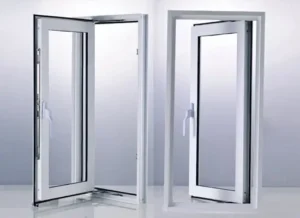
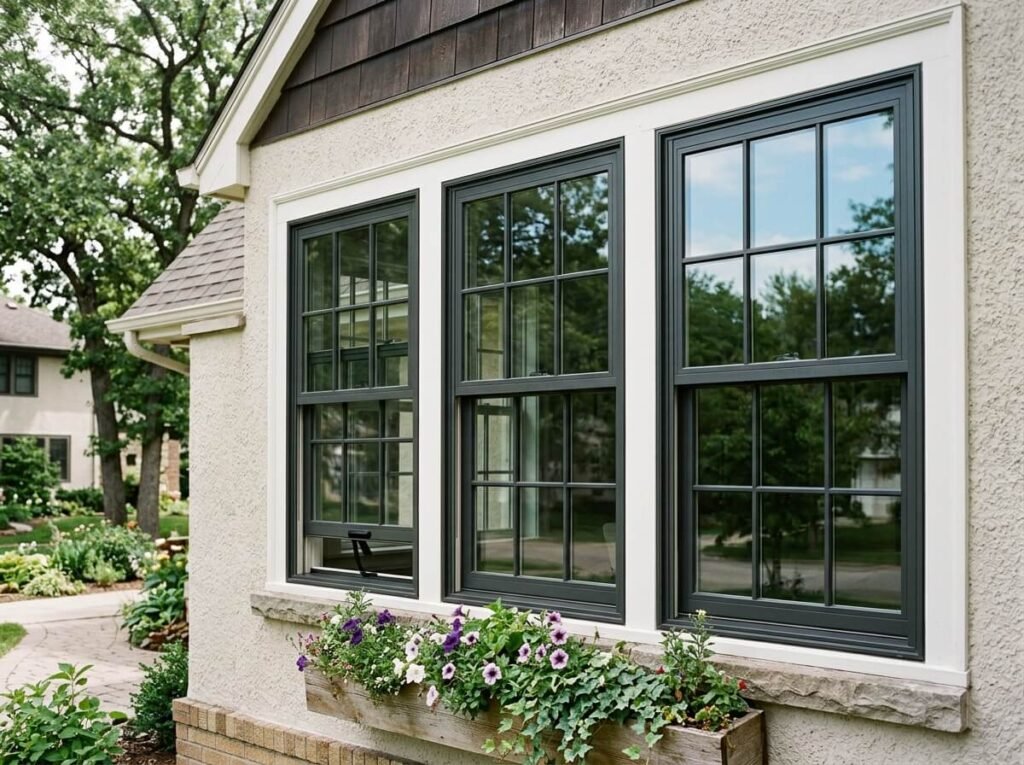
The glass goes from one pane to two panes separated by a sealed gap, and the frame gets deeper to carry the thicker unit. The way the window opens and is screened can stay familiar.
The difference is felt in two ways. In summer, less of the afternoon heat on a west facing wall makes its way into the room, so the air conditioner cycles less. In winter, the inside face of the glass stays closer to room temperature, which cuts the cold draught you feel near a window and reduces condensation on the inside of the pane.
The table below sets out the main differences homeowners ask about.
| Feature | Original single glazing | Double glazing | What it means in the home |
|---|---|---|---|
| Glass make up | One pane, often 4 mm | Two panes with a sealed gap | Less heat moves through the glass in both directions |
| Frame depth | Narrow | Deeper to carry the unit | Reveal and sill may need a new trim or extension |
| Condensation | Common on cold mornings | Much reduced on the inside face | Drier sills and fewer mould spots |
| Noise | Little reduction | Noticeable reduction, more with laminated glass | Useful near Appin Road or Narellan Road |
Which rooms in a Bradbury home benefit most?
The rooms that get the most sun and the most traffic noise give the clearest return. In this part of the suburb that usually means west facing living areas and any bedroom that sits on the Appin Road side of the block.
Many homes in this part of Bradbury were laid out with the living room and main bedroom at the front and a family room opening to the yard at the back. If the front faces the road, the bedrooms are the ones that cop both the afternoon sun and the traffic, and those are the windows owners tend to replace first.
Doing the job in stages is common, starting with the bedrooms and returning for the living areas later. There is more on staging in our post on which rooms to double glaze first, and most of it applies equally to Bradbury.
A free on site measure lets you walk through the house with an installer and work out where double glazing will make the biggest difference. Call 0408 585 846 to book.
Does noise from Appin Road change what glass you should choose?
It can. Standard double glazing already cuts traffic noise noticeably, but a unit with one laminated pane, or two panes of different thickness, does a better job on the low rumble of trucks and buses.
Homes within a few streets of Appin Road, Narellan Road or the hospital precinct hear traffic for much of the day. For those houses it is worth asking for an acoustic laminated option on the road facing double glazed windows and keeping the standard unit elsewhere.
Frame sealing matters as much as the glass. A deeper frame with good compression seals closes the gaps that let noise through an old sliding window, and that alone is a large part of the improvement.
Do you need council approval to double glaze an older home in NSW?
In most cases, replacing existing windows with new ones of the same size and in the same position is treated as minor work in NSW and does not need a development application. Newage advises on this as part of the measure so you know where your project sits before any order is placed.
The situation changes if the work goes beyond a like for like swap. Enlarging an opening, adding a new window to a wall, changing a window into a door, or altering a house that is heritage listed or sits in a conservation area may need approval from council or sign off from a private certifier. Energy efficiency requirements under BASIX can also come into play when the window work is part of a larger renovation or extension.
For a typical 1970s or 1980s brick veneer home in Bradbury where the openings stay as they are, the paperwork is usually minimal. Where something does need to be lodged, the installer’s drawings and glazing details are what the certifier wants to see.
How does the installation work in an existing brick veneer wall?
The process is methodical and most homes are completed room by room in a day or two, depending on the number of openings. Here is how a straightforward replacement runs.
- Measure Every opening is measured on site, including reveal depth and sill condition, because 1980s openings are rarely perfectly square.
- Make The frames and double glazed units are made to those measurements in the Smeaton Grange workshop.
- Remove The old window is cut free from the reveal and lifted out, leaving the brickwork and lintel untouched.
- Fit The new frame is set plumb and level, packed, fixed to the structure and sealed to the brick with a weather seal.
- Finish Internal reveals and architraves are trimmed, flyscreens or security screens are fitted, and each sash is checked for smooth operation.
Because the frames are made in the company’s own workshop and installed by the same team, the fit at each opening is confirmed before anything is cut. The story of how Newage has worked since 2009 explains why the business keeps manufacturing and installation under one roof.
Newage makes every double glazed window in its Smeaton Grange workshop and installs it with its own team. Ask for a written quote for your Bradbury home.
What homeowners near Campbelltown Hospital usually run into
Installers working in the streets around Campbelltown Hospital and Nurra Reserve see a consistent pattern in homes of this age. The original aluminium frames have often lost their seals, so the sashes rattle in wind and let in dust, and the rollers on sliding windows have worn to the point where the sash drags. None of this is unusual for joinery of that age, but it means owners have been living with a draughtier house than they realise.
Timber reveals in these homes are generally sound but sometimes show water staining at the sill corners where the old frame has leaked over the years. A good installer checks this during the measure and allows for a new sill trim or a reveal extension so the deeper double glazed frame finishes cleanly inside without a visible step.
Openings are rarely perfectly square or identical. Two bedroom windows that look the same from the street can differ by ten or more millimetres, which is why each is measured individually rather than ordered from a plan. The made to measure approach matters most on houses like these, where a stock size would leave an awkward gap to pack and cover.
Finally, many of these homes have had air conditioning added later, with a conduit run through a sash or the indoor unit mounted beside a window. Sorting that out before the new frame is made avoids a compromise on installation day.
Planning new double glazing in Bradbury?
Newage makes made to measure double glazed windows for Bradbury homes in its own workshop at Unit 2/16 Blackmore Rd, Smeaton Grange, about 7.1 km from this part of the suburb, and installs them with its own team. The business has completed more than 2,500 projects since 2009 and holds a 4.7 star rating on Google.
The first step is a free on site measure, where every opening is checked and the options for glass, frame style and colour are talked through at the house. You then receive a written quote with no obligation. Newage serves Campbelltown and the surrounding suburbs as part of its work across Sydney and surrounding regions, and the full range of residential windows can be viewed before you decide.
The workshop is about 7.1 km away. Call 0408 585 846, Mon to Fri 8am to 5pm or Sat 8am to 1pm, for a free measure and written quote.
Call 0408 585 846, Monday to Friday 8am to 5pm or Saturday 8am to 1pm, to book a measure for your Bradbury home.
FAQ
Can double glazing be fitted to a 1970s or 1980s brick veneer home?
Yes. In brick veneer construction the window frame fixes to the timber or steel structure behind the brick, not to the masonry itself. The old frame comes out, the opening is checked, and a new deeper frame carrying the double glazed unit is fixed and sealed in place. The brickwork is normally left untouched.
Do the existing openings need to be changed?
Usually not. New frames are made to the exact size of each existing opening, so brick cutting or re-rendering is rare. The deeper double glazed frame may need a new sill trim or reveal extension inside so the finish sits flush with the architraves, and that is allowed for at the measure stage.
Which rooms in a Bradbury home should be double glazed first?
Start with the rooms that face west or sit on the road side of the block. In Bradbury that often means front bedrooms near Appin Road or Narellan Road, which take afternoon sun and traffic noise. Living areas usually follow, and many owners complete the house in two or three stages.
Does replacing windows with double glazing need council approval in NSW?
Replacing windows like for like, in the same opening and position, is generally treated as minor work and does not need a development application. Enlarging openings, adding new windows, or working on a heritage listed home may need council or certifier sign off. Newage advises on this during the free measure.
How long does a double glazing installation take in an older home?
Most homes are completed in a day or two depending on the number of openings, with each room finished before moving to the next. The frames are made to measure beforehand in the Smeaton Grange workshop, so time on site is spent removing old units, fitting new ones and trimming the reveals.