How Much Do Aluminium Windows Cost in NSW?
Replacing the windows in your home feels straightforward until you start asking for prices and realise there are a lot of moving parts. If you live near Camden Valley Way or in one of the newer estates spreading south towards the Macarthur region, you have probably typed “how much do aluminium windows cost” into your phone and found mostly vague answers. This guide gives you real, honest information so you can plan your project with confidence.
How much do aluminium windows cost? The Short Answer
How much do aluminium windows cost? Guide prices start from about $500 for a sliding window, $550 for an awning window and $600 for a double hung window, before size and glass choices change the total.
In this guide
Ready to compare options? See our residential aluminium windows, made to measure in our Smeaton Grange workshop and installed by our own team across Sydney.
- Key Takeaways
- What Drives the Cost of Aluminium Windows?
- Aluminium Window Styles Compared
- Single Glazing vs Double Glazing: What is the Real Difference?
- Professional Installation vs DIY: Where to Draw the Line
- What to Ask Any Aluminium Window Supplier
- Common Mistakes to Avoid
- Why Choose a Local Macarthur Window Specialist?
- FAQ
Key Takeaways
- No single price fits all: size, style, glass type, and installation complexity all drive the final cost.
- Double glazing (two panes with a sealed air gap) adds upfront cost but can improve thermal comfort and reduce noise compared to single glazing.
- Powder coat colour, flyscreen addition, and locking hardware all affect the price of each window unit.
- A free measure and quote is the only accurate way to cost a window replacement project; online estimates are guides only.
- BASIX and NatHERS requirements in NSW may influence glass specifications; check with your local council or a licensed supplier.
What Drives the Cost of Aluminium Windows?
Several variables stack on top of each other to determine the final price. Understanding each one helps you compare quotes properly and avoid surprises.
- Window size: larger openings need more aluminium, more glass, and more labour to handle safely. A bedroom window costs noticeably less than a full-width living room unit.
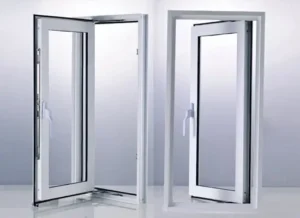
- Window style: sliding windows, awning windows, casement windows, and fixed-lite windows all have different frame and hardware costs. Sliding windows involve tracks, rollers, and interlock systems that fixed windows do not.
- Glass type: standard clear annealed glass is the base option. Toughened safety glass (heat-treated to shatter safely), laminated glass (two layers bonded with an interlayer), Low-E glass (a microscopic coating that reflects heat), obscure glass (for privacy), and tinted glass all carry different price points.
- Single vs double glazing: double glazing is two panes of glass separated by a sealed air gap that slows heat and noise transfer. It adds cost per window but is increasingly popular in the Macarthur region given the hot summers and cooler winters.
- Powder coat colour: standard white or mill finish costs less than custom Dulux or Interpon colours. Shale Grey or Surfmist frames are popular upgrades that suit modern homes in estates like Oran Park and Gregory Hills.
- Accessories: flyscreens, keyed locks, restrictors for child safety, and sill flashings all add to the final cost.
- Installation complexity: a like-for-like replacement in a brick veneer wall is simpler than a new opening requiring lintel work or heritage-facade matching in an older Camden or Campbelltown home.

Aluminium Window Styles Compared
Choosing the right window style affects both price and performance. Here is a practical comparison of the most common aluminium window types used in NSW homes.
| Style | How it opens | Best for | Relative cost | Key trade-off |
|---|---|---|---|---|
| Sliding | Panels glide horizontally | Living areas, bedrooms | Mid-range | Track maintenance needed |
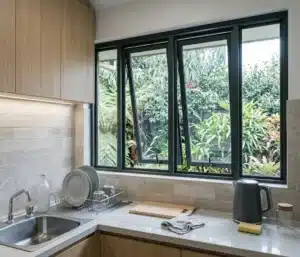
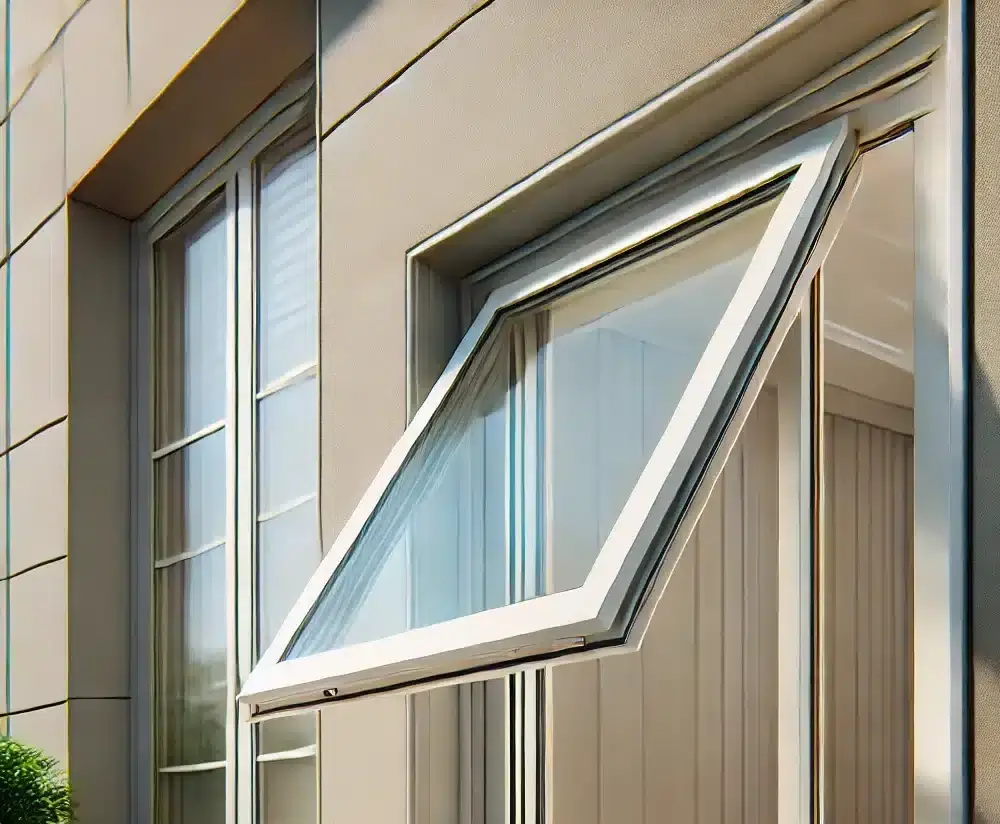
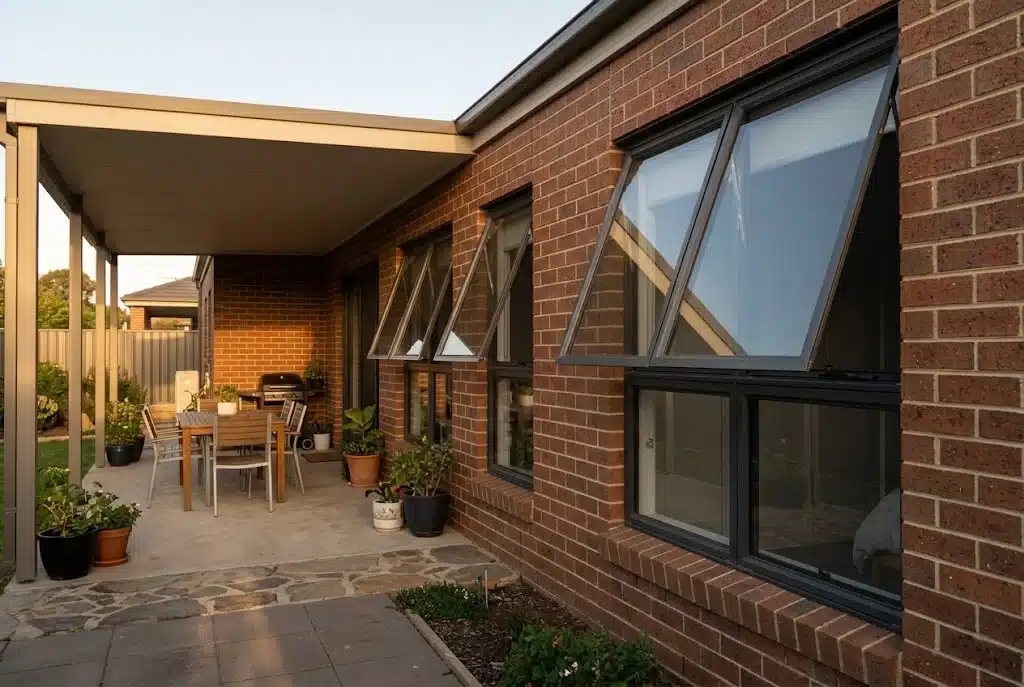
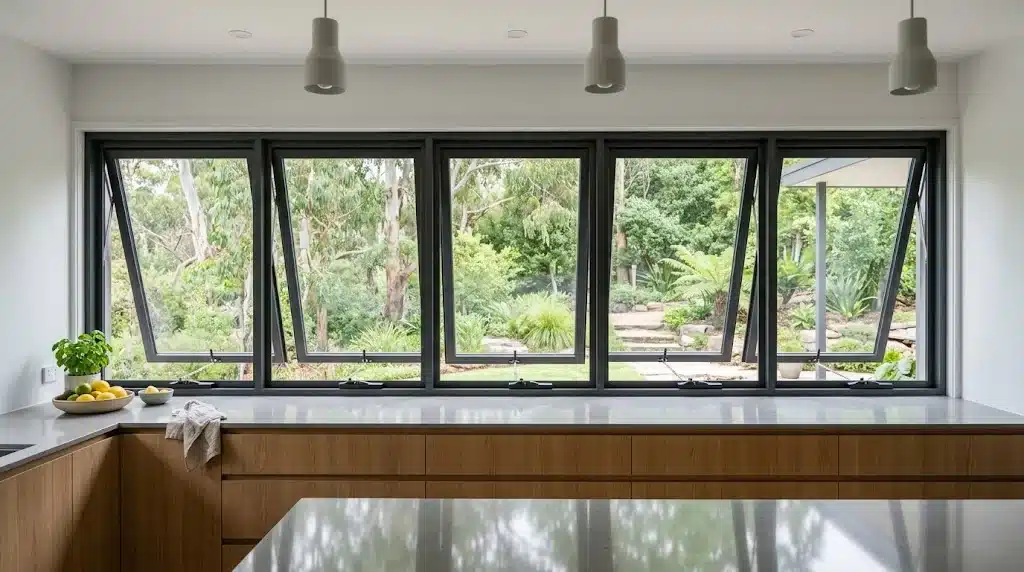
| Awning | Hinged at top, opens out | Bathrooms, kitchens | Lower-mid | Limited clear opening |
| Casement | Hinged at side, swings out | Side returns, studies | Mid-range | Needs clear swing space |
| Fixed lite | Does not open | Feature walls, stairwells | Lower | No ventilation |
| Double hung | Both sashes slide vertically | Heritage or classic facades | Higher | More complex hardware |
For most Macarthur homes, aluminium sliding windows are the most popular choice. They maximise the glass area visible from inside, suit both new builds and renovations, and come in a wide range of sizes and powder coat colours. If you want more detail on the full range and what is involved in professional installation, the awning windows page covers a complementary style often used alongside sliding units.
Single Glazing vs Double Glazing: What is the Real Difference?
Single glazing is one pane of glass in an aluminium frame. Double glazing is two panes separated by a sealed gap (typically 6mm to 12mm of air or argon gas) that acts as a thermal and acoustic buffer. The Your Home guide published by the Australian Government notes that glazing is one of the largest sources of heat gain and loss in a home.
In the Macarthur region, summer temperatures regularly push well above 35 degrees, and winter nights around Mount Annan and Camden can be genuinely cold. Double glazed aluminium windows help reduce how much outdoor temperature bleeds through your glass, which can make a noticeable difference to comfort. Whether that improvement justifies the additional cost depends on your home, your orientation, and how long you plan to stay.
Low-E glass (low-emissivity) is a further upgrade worth understanding. It has a microscopic metallic coating that reflects radiant heat while letting visible light through. Low-E glass is often specified in double glazed units to improve overall thermal performance, measured as a U-value. Lower U-values mean less heat transfer. The Australian Window Association publishes WERS (Window Energy Rating Scheme) ratings that let you compare the energy performance of different window products on a standardised scale.
Professional Installation vs DIY: Where to Draw the Line
For very minor repairs like replacing a flyscreen mesh or adjusting a latch, a capable DIYer can manage. Full window replacement is a different matter.
Here is why professional installation matters for anything beyond surface fixes:
- Structural openings: removing a window can expose a lintel or load-bearing wall element. Disturbing that without knowing what you are dealing with is genuinely dangerous.
- Weatherproofing: a window that is not flashed and sealed correctly will leak. Water ingress into a wall cavity causes mould and structural damage that costs far more to fix than the original installation.
- Glazing compliance: toughened or laminated safety glass must be installed in specific locations under the National Construction Code. A non-compliant installation creates liability issues if you sell the home.
- BASIX and council sign-off: if your project requires a BASIX certificate or a DA, the installation must be done by a licensed tradesperson. NSW Fair Trading requires window installation work above certain thresholds to be carried out by a licensed builder or contractor.
- Resale value: with more homeowners renovating rather than upsizing, buyers and conveyancers increasingly check whether renovation work was done with proper approvals and by licensed tradespeople.
The honest answer is simple: unless you are replacing a single flyscreen, call a professional. The cost of getting it wrong far exceeds the saving on labour.
What to Ask Any Aluminium Window Supplier
Getting multiple quotes makes sense, but only if you know what to compare. These questions help you cut through vague proposals and understand exactly what is included.
Common Mistakes to Avoid
After completing over 2,500 projects across the Macarthur region and South West Sydney, the team at Newage Glass and Aluminium has seen the same mistakes come up repeatedly. Knowing them in advance saves money and frustration.
- Measuring the glass, not the frame: the opening size includes the full frame rebate, not just the glass area. An incorrect measure leads to windows that do not fit and a costly remake.
- Choosing colour from a screen: powder coat colours look different on a monitor than in person, especially in direct sunlight. Always ask for a physical colour sample before signing off.
- Ignoring the flyscreen: flyscreens are often quoted as an add-on. If you want them (and in the Macarthur region in summer, you will), confirm they are included in your quote before comparing prices.
- Overlooking the sill: existing timber or masonry sills may need replacement or modification when new aluminium frames go in. A thorough site measure will identify this early.
- Skipping the energy check: if your project requires a BASIX certificate, specifying the wrong glass type could mean your home fails its energy assessment. Confirm glass specifications with your certifier before ordering.
Why Choose a Local Macarthur Window Specialist?
Working with a supplier based close to where you live has real practical advantages. Lead times are shorter when fabrication happens nearby, site visits are quicker to arrange, and any post-installation queries are resolved by the same local team that did the work.
Newage Glass and Aluminium is a family-run glass and aluminium specialist based at Unit 2/16 Blackmore Rd in the Smeaton Grange Industrial Estate, just off Camden Valley Way and a short drive from Narellan Town Centre. The team has been designing, manufacturing, and installing premium aluminium windows, doors, glass shopfronts, and office partitions from the same workshop since 2009. Over 2,500 completed projects and a 4.9 star Google rating reflect their reputation for doing the work themselves, not subcontracting it out.
If you are looking for window replacement in Narellan, sliding windows near Harrington Park, or double glazing options for a new build in Oran Park, the Smeaton Grange workshop services all of these communities. Newage also supplies and installs across Camden, Narellan, Currans Hill, and the wider Macarthur and South West Sydney region, all from that one local workshop. Whether your home sits a short drive from the Mount Annan Botanic Garden or in an established street closer to Campbelltown, the same in-house team handles your measure, fabrication, and installation.
For a complete look at the aluminium sliding window options available for local homes, the sliding doors and windows page is the right place to start. And if you are curious about double glazing upgrades specifically, the double glazed windows page covers your options in detail.
Whether you are still in the research phase or ready to order, book a free measure and quote. You will get an accurate price for your exact openings, a glass and colour recommendation for your home’s orientation and use, and a clear lead time with no obligations. Reach out to the Newage Glass and Aluminium team in Smeaton Grange, NSW to get started.