Cost to Replace Windows in an Australian Home
Replacing the windows in your home is one of those projects that feels enormous until you break it down. Whether you’re dealing with rattly single-pane glass that turns your living room into an oven every January, or you’re modernising an older home in Camden and want to refresh the facade, the first question is always the same: how much is this actually going to cost?
Cost to replace windows: The Short Answer
The cost to replace windows depends on style, size and glazing. Single glazed aluminium windows start lower, and double glazing adds to the price but improves comfort.
In this guide
Ready to compare options? See our replacement aluminium windows, made to measure in our Smeaton Grange workshop and installed by our own team across Sydney.
The honest answer is: it depends. But that’s not where we’re going to leave it. This guide walks you through every factor that shapes the cost to replace windows in a house in Australia, what your options look like, and how to make sure you spend your money wisely.
- What Factors Drive the Cost to Replace Windows?
- Single Glazing vs Double Glazing: Which Should You Choose?
- Comparing Aluminium Window Styles and Their Costs
- What Glass Options Are Available and How Do They Affect Price?
- How Window Replacement Actually Works: The Process
- DIY vs Hiring a Professional: Be Honest With Yourself
- Common Mistakes to Avoid When Replacing Windows
- Questions to Ask Any Window Supplier Before You Commit
- Why Local Manufacturing Makes a Difference
- FAQ
What Factors Drive the Cost to Replace Windows?
Window replacement pricing in Australia is not a flat rate. Several independent variables stack on top of each other, and understanding them helps you budget realistically before you call a single supplier.
- Window size and quantity: larger openings and more windows mean more material and more installation time. A single standard bedroom window costs far less than a full-house replacement across ten or twelve openings.
- Frame material: aluminium, uPVC and timber all sit at different price points. Powder coated aluminium frames are the most widely used in Australian residential projects because of their strength, weather resistance and long service life with minimal upkeep.
- Glass type: single glazing is the baseline. Double glazing (two panes of glass separated by a sealed air gap that slows heat and noise transfer) carries a higher unit cost. Add Low-E glass (a microscopically thin coating that reflects radiant heat) and the price moves again.
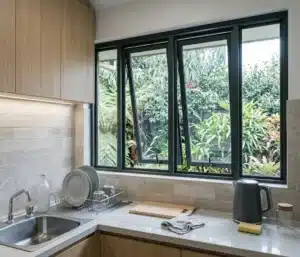
- Window style: sliding, awning, casement, fixed and louvre windows each have different hardware and fabrication costs.
- Installation complexity: a straight swap of like-for-like windows is simpler than altering the rough opening, dealing with heritage facade requirements, or working on a multi-storey home.
- Location and access: ground-floor windows in a clear site are straightforward. Upper floors or tight access corridors add time and sometimes equipment costs.

Single Glazing vs Double Glazing: Which Should You Choose?
Double glazing is two panes of glass separated by a sealed gap (typically filled with air or an inert gas like argon), set within a single frame unit. The gap acts as a thermal and acoustic buffer. Single glazing is one pane, with no buffer between inside and outside.
In the Macarthur region, summers along Camden Valley Way are genuinely hot and winters get cold enough to feel it through a thin glass pane. Double glazing can meaningfully reduce heat transfer in both directions, which is why it’s increasingly specified in new estates like Oran Park and Gregory Hills, and why BASIX certificates for new builds and major renovations in NSW commonly require minimum thermal performance standards. According to the Your Home guide published by the Australian Government, glazing accounts for a significant share of a home’s heating and cooling load, making window choice a genuine energy decision, not just an aesthetic one.
For homeowners looking at double glazed windows in the Macarthur region, the upfront cost is higher than single glazing, but the long-term comfort benefits are well documented. Whether the numbers stack up for your specific home depends on how many windows you’re replacing, the existing insulation, and how you use the space. That’s a conversation worth having with your installer during the free measure and quote.
Comparing Aluminium Window Styles and Their Costs
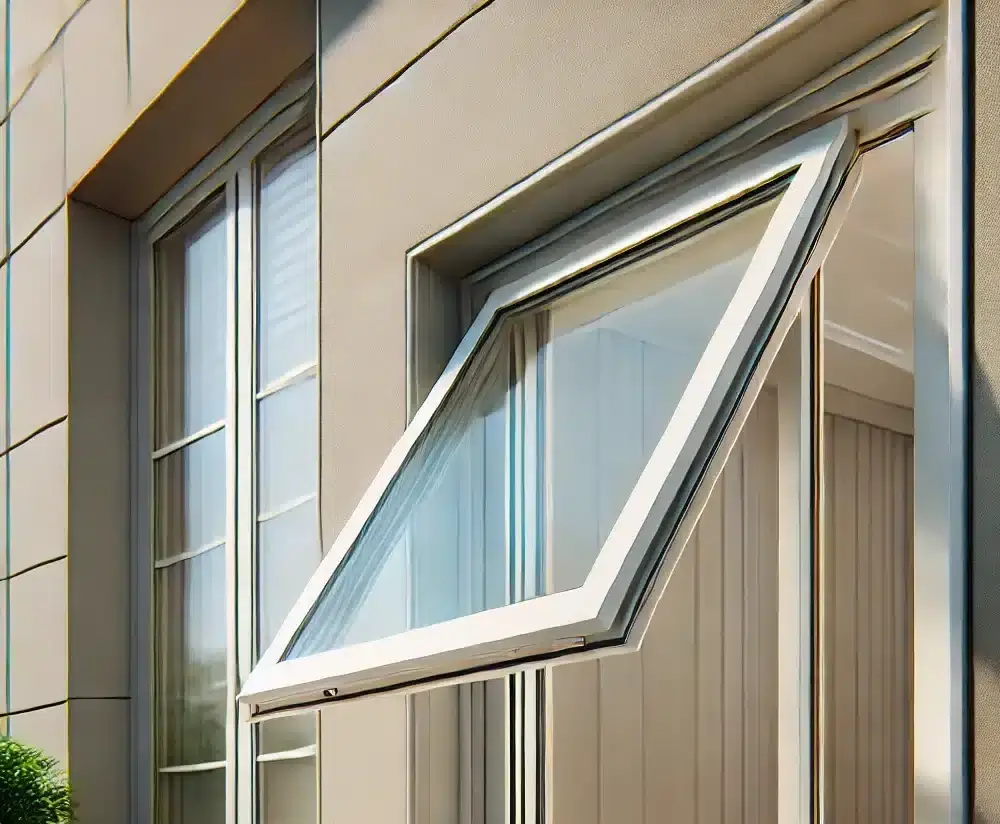
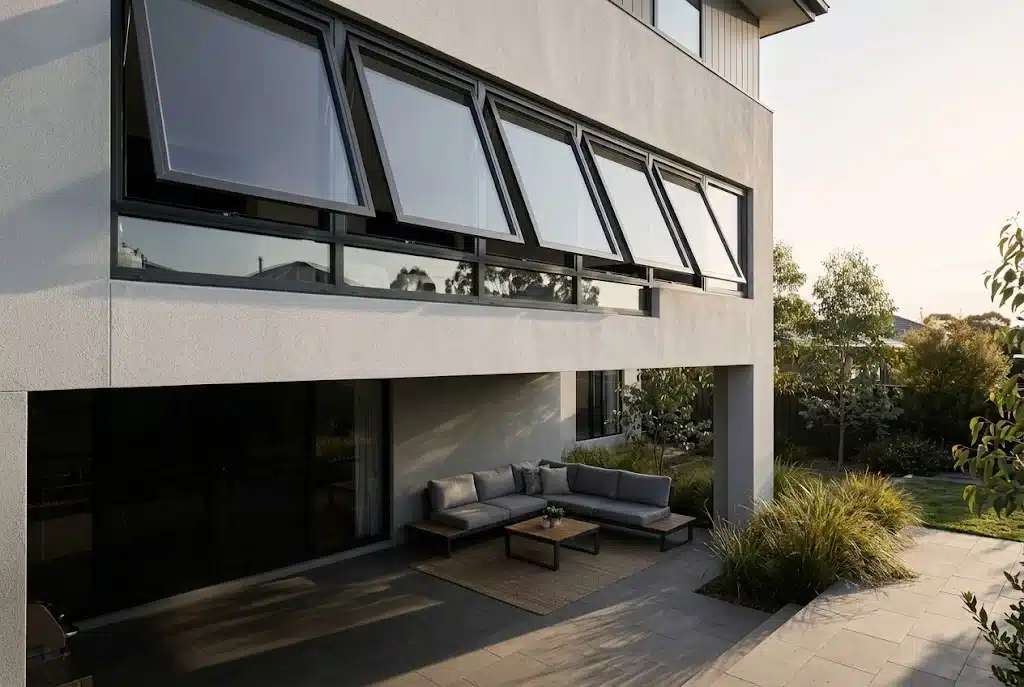
The style of window you choose affects both the fabrication cost and how well it suits your home’s architecture. Here’s a plain-English comparison of the most common options in Australian homes.
What Glass Options Are Available and How Do They Affect Price?
Glass selection is where a lot of homeowners get surprised, because the pane itself can add meaningfully to the per-window cost. The main types you’ll encounter in Australia are:
- Clear float glass: the standard baseline, used in single-glazed windows.
- Toughened safety glass: heat-treated to be several times stronger than standard glass; required by the National Construction Code in certain locations such as near doors, low-level panels and wet areas.
- Laminated glass: two layers bonded with an interlayer so that if it breaks, the pieces stay together rather than scattering. Common in overhead glazing and security applications.
- Low-E glass: a microscopically thin metallic coating that reflects long-wave radiant heat while letting visible light through, reducing solar heat gain in summer and heat loss in winter.
- Obscure or frosted glass: used for privacy in bathrooms, ensuites and side panels without sacrificing light.
- Tinted glass: reduces glare and solar heat, useful on north- and west-facing elevations.
The Australian Window Association provides guidance on energy performance ratings for windows through the WERS (Window Energy Rating Scheme), which rates windows for heating and cooling in different climate zones. It’s worth asking your installer about WERS ratings if energy performance is a priority for your project.
How Window Replacement Actually Works: The Process
Knowing the process helps you set realistic timelines and prepare your home. Here’s what a typical replacement project looks like when you use a local manufacturer-installer like Newage Glass and Aluminium.
DIY vs Hiring a Professional: Be Honest With Yourself
There’s genuine satisfaction in doing your own home maintenance. Replacing a flyscreen or repainting a window sill? Go for it. But full window replacement is a different category of work entirely.
Custom aluminium windows are made-to-measure units that must fit the rough opening precisely. Getting this wrong means draughts, water ingress, and failed inspections. Beyond the fit, there are real compliance considerations. Under the National Construction Code, glazing in certain locations (near doors, at low heights, in wet areas) must be toughened or laminated safety glass. Misspecifying glass type is both a safety issue and a problem that surfaces at resale. If the replacement affects a load-bearing wall or requires a structural alteration, a licensed builder and potentially an engineer must be involved.
Then there’s the licensing question. In NSW, window installation work carried out as part of a renovation project above a certain contract value requires a licensed contractor. NSW Fair Trading outlines the licensing requirements for residential building work; it’s worth checking before assuming any tradesperson can legally do the job.
The practical upshot: for a like-for-like replacement of one or two small windows in a single-storey home, a competent handyperson might manage it. For anything involving structural changes, heritage elements, double glazing, BASIX compliance, upper floors, or a whole-house replacement, professional installation is genuinely the right call. Not just for quality, but for your certificate of currency, your insurance, and your peace of mind at sale time.
Common Mistakes to Avoid When Replacing Windows
A window replacement project done well lasts decades. Done poorly, it creates problems that cost more to fix than the original job. Here are the mistakes worth knowing about before you start.
- Measuring before ordering: never order windows based on your own tape-measure estimate. Even a few millimetres off causes fitment issues with aluminium frames. Always let the installer measure.
- Choosing style over function: a beautiful feature window that faces west with no external shading can make a room unbearable in summer. Think about orientation, ventilation and shading as well as looks.
- Ignoring the frame colour: powder coat finishes on aluminium frames are durable and available in a wide range of colours, but changing them later is costly. Think about your facade colour and any heritage or council requirements before you commit.
- Getting one quote: prices vary between suppliers. Get at least two or three written quotes and make sure each one specifies the same glass type and frame specification so you’re comparing like with like.
- Forgetting council or heritage rules: homes in historic precincts, including parts of the Camden town centre and along Argyle Street, may have restrictions on window style, colour or material. Check with Camden Council before ordering.
Questions to Ask Any Window Supplier Before You Commit
A good supplier will welcome these questions. Hesitation or vague answers are a signal to keep looking.
- Do you design, fabricate and install in-house? Suppliers who do all three under one roof have tighter quality control and clearer accountability.
- Are you fully licensed and insured? Ask for licence numbers and confirm currency of insurance before work starts.
- What glass specifications do you recommend for my project and why? A knowledgeable supplier will explain toughened vs laminated, Low-E options and WERS ratings without prompting.
- What is the lead time from confirmed order to installation? Custom aluminium windows take time to fabricate; unrealistically short lead times can be a red flag.
- What warranty applies to the frames and the glazing? Understand what’s covered and for how long.
- Will the work require a BASIX certificate or council approval for my project? Requirements vary; the supplier should know the general rules and advise you to confirm with your council or certifier.
Why Local Manufacturing Makes a Difference
Buying windows from a company that designs and builds them in the same workshop that installs them is genuinely different from dealing with a retailer who resells imported products. When something needs adjusting, there’s no chain of blame between the manufacturer and the installer. The person who measured your opening is accountable to the person who made the frame, and they’re the same team that shows up to fit it.
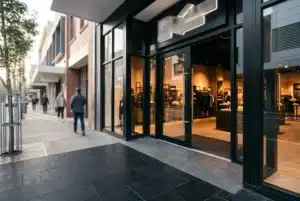
Newage Glass and Aluminium has operated this way since 2009. Based at Unit 2/16 Blackmore Rd in the Smeaton Grange Industrial Estate, just off Camden Valley Way and minutes from Narellan Town Centre, the team designs, fabricates and installs aluminium windows, doors, glass shopfronts and office partitions entirely in-house. With over 2,500 completed projects and a 4.9-star Google rating, they’ve become the go-to window replacement specialist across the Macarthur region and South West Sydney. Fully licensed and insured, with appointments available Monday to Friday 8am to 5pm and Saturday 8am to 1pm.
If you’re in Camden or nearby Narellan, you’re looking at a short drive from the workshop. The team also covers Campbelltown and the growing suburbs of Harrington Park and Mount Annan. Newage also supplies and installs across Elderslie, Camden South, Spring Farm, Cobbitty and the wider Macarthur and South West Sydney area, all from the one Smeaton Grange workshop.
Planning a window replacement in Camden, NSW or anywhere across the Macarthur region? The only figure that matters is the one based on your actual home, your openings, and your glass choice. Book a free measure and quote with the Newage Glass and Aluminium team and get a written quote with no obligation, so you can plan your project with complete confidence.