Window Styles for Australian Homes: A Simple Guide
Picking the wrong window style during a renovation can cost you comfort, energy performance, security, and resale appeal for decades. If you own a home near the historic Camden town centre or in a newer estate off Camden Valley Way, this decision matters more than you might think.
Window styles guide for australian homes: The Short Answer
A window styles guide for Australian homes comes down to airflow, security and glass: awning and louvre suit wet weather, sliding suits wide openings, and double hung suits a classic look.
In this guide
- What Are the Main Window Styles for Australian Homes?
- How Do Window Styles Compare?
- Single Glazing or Double Glazing?
- What Glass Types Are Available?
- What Affects the Cost of Window Replacement?
- Should You DIY or Hire a Professional?
- What to Look for in a Window Supplier and Installer
- Why Aluminium Awning Windows Are the Go-To Choice for Macarthur
- FAQ
What Are the Main Window Styles for Australian Homes?
Australian homes face everything from humid coastal summers to cold winters, and window style plays a surprisingly large role in how comfortable your home feels year-round. Here’s a plain-English breakdown of every style you’re likely to encounter.
Awning Windows
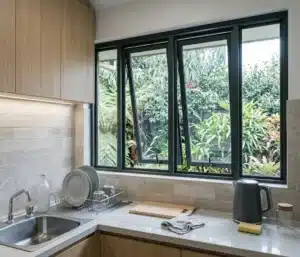
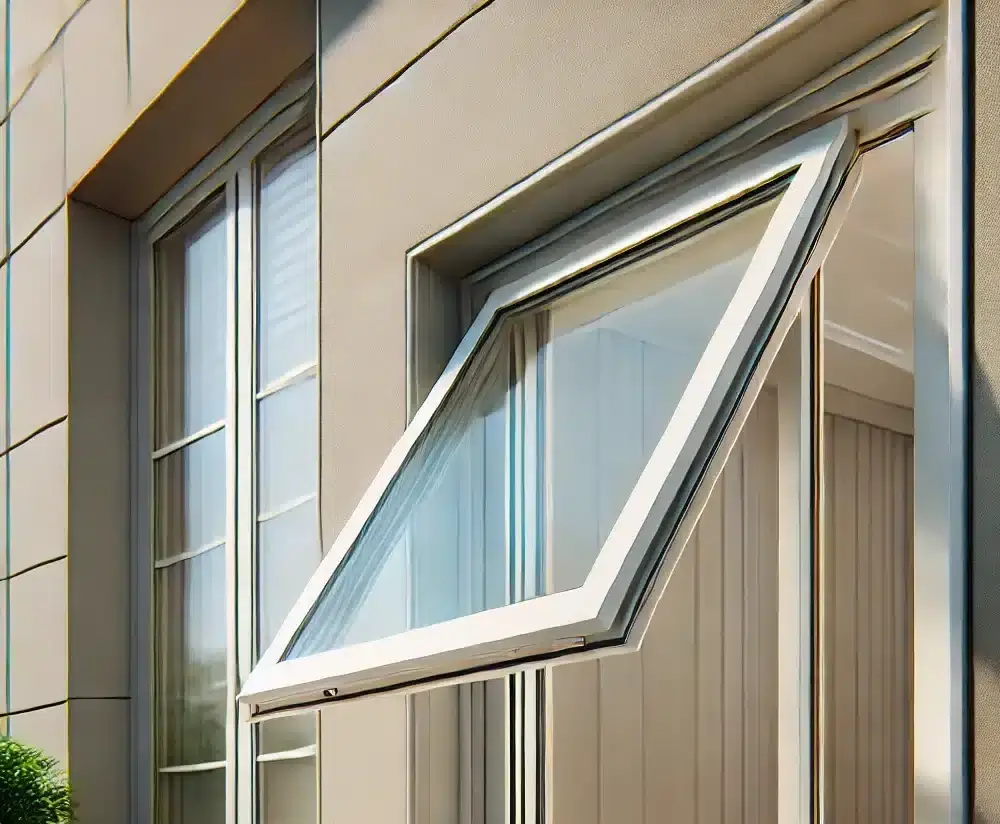
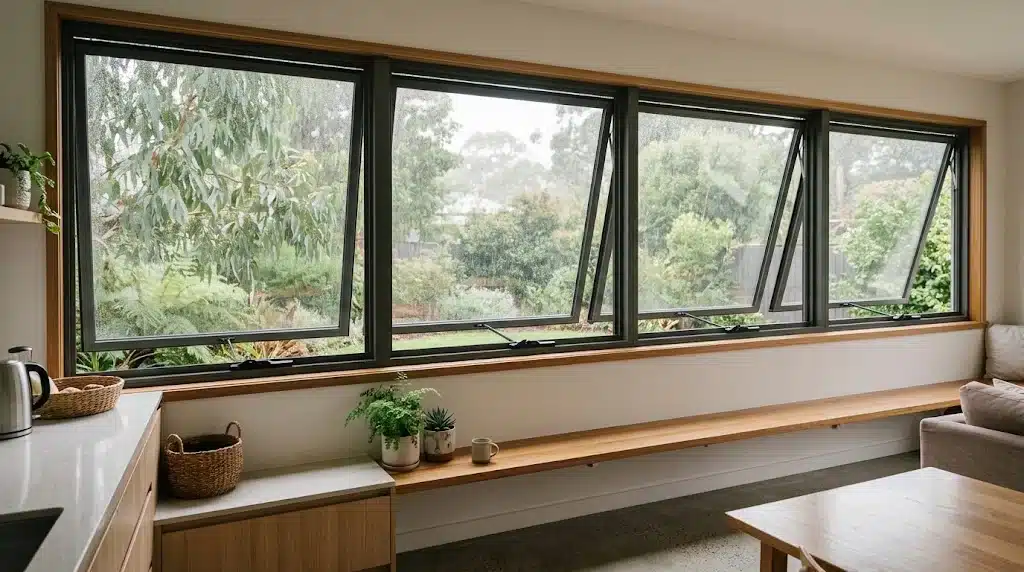
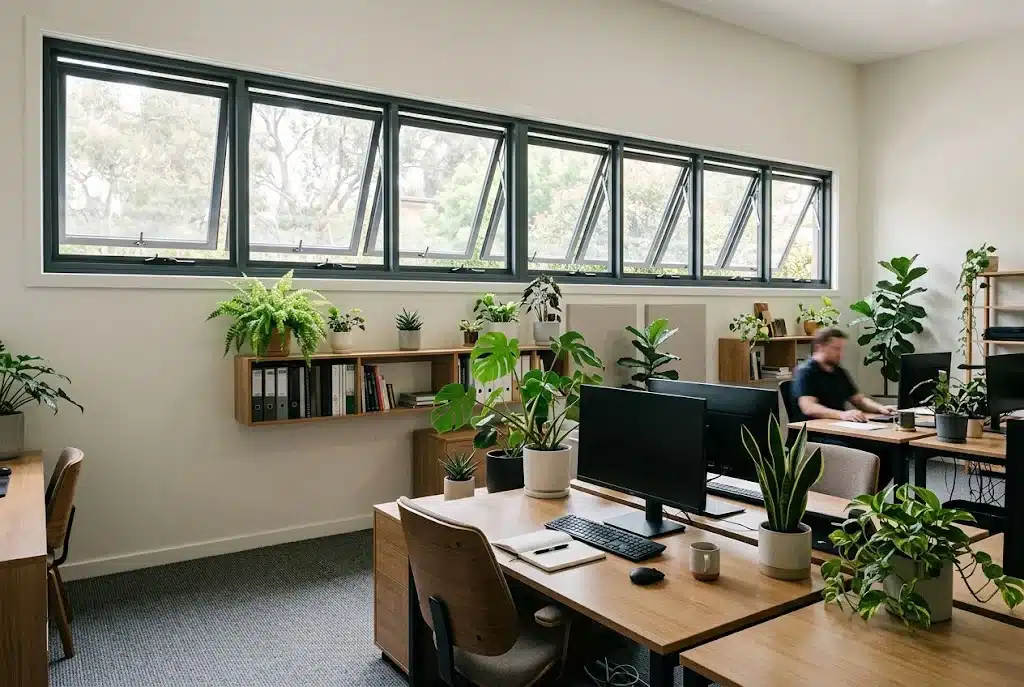
An awning window is hinged at the top and swings outward from the bottom. That means it stays open during light rain without letting water in. It’s probably the most versatile style in the Australian market. Awning windows suit bedrooms, bathrooms, and high-set wall positions where you want permanent ventilation without sacrificing privacy. They work brilliantly alongside fixed panels in wider openings. For homes along the Nepean River corridor where afternoon westerlies are a factor, the ability to catch cross-breezes while keeping rain out is a genuine advantage.

Sliding Windows
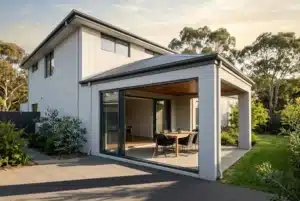
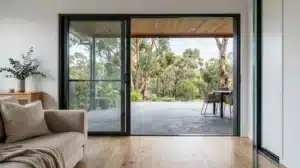
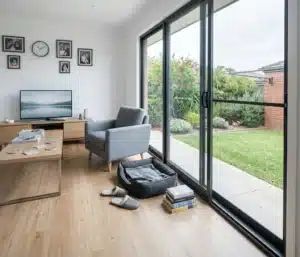
Sliding windows run on a horizontal track and open by sliding one sash past the other. They suit wide openings and contemporary open-plan homes, and they’re a popular choice in new estates like Oran Park and Gregory Hills. The opening area is typically half the total window area, since one panel must stay fixed, but that’s rarely a problem in well-designed layouts. Fly screens fit easily on the outside track.
Casement Windows
A casement window is hinged on one side and swings outward, much like a door. It gives a full clear opening and catches breezes very effectively. Casement windows are common on older Federation and Californian bungalow-style homes around established Camden and Campbelltown, and they can be replicated in aluminium to match a heritage facade without the maintenance headache of timber.
Louvre Windows
Louvre windows use a series of horizontal glass or aluminium blades that tilt open simultaneously. They maximise airflow in tropical or humid settings, which makes them popular in Queensland and coastal NSW. In the Macarthur region they’re less common but occasionally used in laundries or alfresco service areas where maximum ventilation matters more than thermal performance. Worth noting: louvre windows are harder to seal tightly and are generally not recommended where energy performance or security is a priority.
Fixed Windows
Fixed windows don’t open at all. They’re used purely for light and views, and because they have no moving parts, they’re very cost-effective per square metre of glass. Pairing a large fixed panel with an awning or sliding opener below is one of the smartest ways to get the look of a floor-to-ceiling window while still achieving ventilation and meeting BASIX or NatHERS ventilation requirements. Check with your local council or certifier about minimum openable area requirements before specifying all-fixed glazing.
Double-Hung Windows
A double-hung window has two sashes that slide vertically. Both sashes move, which allows you to ventilate from the top, the bottom, or both at once. They’re common in American and British housing but less dominant in Australia. They do suit homes with a traditional or heritage aesthetic and are available in aluminium with a powder coat finish to match any colour scheme.
How Do Window Styles Compare?
Use this table as a starting point. Every home is different, and a professional measure and quote will give you a more tailored recommendation.
| Style | Best For | Ventilation | Rain-Proof Open? | Security |
|---|---|---|---|---|
| Awning | All rooms, bathrooms | Good | Yes | Good |
| Sliding | Living areas, wide walls | Moderate | No | Good with locks |
| Casement | Heritage facades, bedrooms | Excellent | No | Good |
| Louvre | Laundries, alfresco | Excellent | Partial | Lower |
| Fixed | Light and views only | None | N/A | Excellent |
| Double-Hung | Heritage, versatile | Very good | Partial | Good |
Single Glazing or Double Glazing?
Double glazing is two panes of glass separated by a sealed air gap, typically 6 to 12 millimetres apart. That gap is what slows heat and noise from passing through the window. Single glazing is one pane only. As of October 2026, double glazed aluminium windows are increasingly specified in NSW new homes and renovations, partly driven by BASIX energy performance requirements and partly by the genuine comfort improvement they offer during Macarthur’s hot summers and cooler winters.
The price of aluminium windows in NSW varies with size, glass type, and whether they’re single or double glazed. Double glazing typically adds to the upfront cost, but many homeowners find the improvement in comfort and noise reduction worthwhile. A free measure and quote is the only reliable way to compare the numbers for your specific home. You can learn more about double glazed windows across the Macarthur region and what they involve.
What Glass Types Are Available?
The glass type you specify is just as important as the window style. Here’s a plain summary of the main options available through a quality Australian supplier.
- Toughened safety glass: heat-treated to be significantly stronger than standard glass. When it does break, it crumbles into small blunt pieces rather than sharp shards. Required by the National Construction Code in certain locations such as near doors, low-level panels, and wet areas.
- Laminated glass: two panes bonded with a plastic interlayer that holds the glass together if it breaks. Commonly used for acoustic performance, overhead glazing, and cyclone or bushfire-prone areas.
- Low-E glass: a microscopically thin metallic coating on the glass surface that reflects radiant heat while allowing visible light through. Low-E glass (Low Emissivity glass) is a popular upgrade for north- and west-facing windows in the Sydney basin.
- Obscure glass: textured or frosted to reduce visibility while still allowing light. Ideal for bathrooms, sidelights, and privacy screens.
- Tinted glass: adds a colour cast and reduces solar heat gain and glare. Common in commercial settings but occasionally used in residential west-facing windows.
The Australian Window Association publishes a Window Energy Rating Scheme (WERS) that rates windows for thermal performance, which can help you compare products when you’re getting quotes.
What Affects the Cost of Window Replacement?
The cost of window replacement in the Macarthur region varies considerably and depends on several factors working together. No published price list gives you a reliable answer for your specific home, which is why a free measure and quote is always the right starting point.
The main cost drivers are:
- Window size and quantity: larger windows and more of them means more material and more installation time.
- Glass specification: double glazing, Low-E coatings, laminated, or toughened glass each add to material costs compared with standard single-pane clear glass.
- Frame colour and finish: a standard white powder coat costs less than a custom Dulux colour or a dual-colour finish (different colours inside and out).
- Access and installation complexity: second-storey windows, heritage reveals, or structural changes to the opening all affect labour.
- Regulatory requirements: BASIX certificates, BAL (Bushfire Attack Level) ratings, or council heritage overlays can influence specifications and therefore cost.
Should You DIY or Hire a Professional?
Swapping a flyscreen or replacing a broken latch is reasonable DIY work. Replacing or upgrading windows is a different matter entirely.
Here’s why professional installation matters for most window projects:
- Structural openings: altering a window opening in a brick veneer or double-brick wall may affect structural elements. A licensed builder or certifier needs to assess this, and a permit may be required.
- BASIX compliance: in NSW, alterations above a certain value require a BASIX certificate confirming that energy and water targets are met. Getting this wrong can cause problems at the point of sale or during future council inspections.
- Weatherproofing: a poorly installed window frame will leak. Water ingress behind cladding or into a wall cavity is an expensive problem that often takes years to become visible.
- Warranty: most quality aluminium window products carry a manufacturer’s warranty that is voided if installation is not carried out by a licensed tradesperson.
- Resale value: professionally installed, compliant windows with paperwork are an asset at sale time. Unlicensed work can be a red flag for buyers and conveyancers.
NSW Fair Trading requires that residential building work above a set cost threshold be carried out by a licensed contractor. Check NSW Fair Trading for the current thresholds and what a home owner builder licence covers. When in doubt, using a licensed, insured specialist is the safer and smarter move.
What to Look for in a Window Supplier and Installer
Not all window companies operate the same way. Some are retailers who outsource fabrication and installation to separate contractors. Others design, make, and install everything under one roof. The latter model gives you a single point of contact if anything needs attention after the job is done.
Here are practical questions to ask any supplier before you commit:
- Do you design, manufacture, and install yourselves? In-house production means tighter quality control and clearer accountability.
- Are you fully licensed and insured? Ask for the licence number and check it against the NSW Fair Trading register.
- What aluminium system and glass brands do you use? Quality suppliers use certified Australian aluminium systems and can specify glass to meet WERS or BAL ratings.
- What powder coat colours are available? A full colour range means your windows can match or complement your existing facade without compromise.
- What is the typical lead time from measure to install? Custom aluminium windows commonly take a few weeks from measure to installation, depending on the job size and current schedule.
- Do you offer a free measure and quote? A professional measure is the only way to get an accurate price. Be cautious of any supplier who prices without visiting the site.
Why Aluminium Awning Windows Are the Go-To Choice for Macarthur
As a local team that has completed over 2,500 projects across the Macarthur region and South West Sydney since 2009, the specialists at Newage Glass and Aluminium see a consistent pattern: aluminium awning windows are the most requested style by homeowners replacing windows in established Camden, Narellan, and Campbelltown homes, as well as in new builds in suburbs like Gregory Hills and Harrington Park.
The reasons are practical. Awning windows handle the afternoon westerlies common along the Nepean River corridor without letting rain in. They’re available in single or double glazing, a full range of Low-E and safety glass specifications, and any powder coat colour from standard whites and greys to custom Dulux shades. Fly screens and keyed locks are standard options. Because Newage designs, manufactures, and installs in house from the Smeaton Grange workshop on Blackmore Road, just off Camden Valley Way and minutes from Narellan Town Centre, every set of windows is made to measure for the exact opening, not cut down from a stock size.
If you’re searching for aluminium windows near me in the Camden or Narellan area, or planning a window replacement in Campbelltown, the team at Newage holds a 4.9 star Google rating backed by a genuine track record built since 2009. Fully licensed and insured. Open Monday to Friday 8am to 5pm and Saturday 8am to 1pm.
Newage also supplies and installs across nearby Macarthur and South West Sydney suburbs including Elderslie, Camden South, Spring Farm, Narellan, and Cobbitty, all from the one Smeaton Grange workshop. Whether your project is in the historic streets off Argyle Street or a new build on the Camden fringe, the same local team handles the whole job from design through to final installation.
Ready to work out which window styles suit your home? Book a free measure and quote with the Newage Glass and Aluminium team in Camden, NSW, and get a clear, no-pressure recommendation tailored to your home, your orientation, and your budget.