Choosing the wrong window style is one of the most common and most expensive renovation mistakes a homeowner can make. Get it wrong and you’re living with poor ventilation, draughts, or a style mismatch for decades. The good news is that the awning vs sliding windows decision actually comes down to a handful of clear, practical factors.
Whether you’re upgrading the bedrooms of an established Campbelltown home near Macarthur Square, fitting out a new build in Glen Alpine, or replacing tired louvres in an older Ambarvale rental, this comparison will help you land on the right call.
- What Is an Awning Window?
- What Is a Sliding Window?
- Awning vs Sliding: Side-by-Side Comparison
- Which Glass Type Should You Choose?
- What Does a Window Replacement Cost?
- DIY Installation or Professional?
- Common Mistakes When Choosing Between Awning and Sliding Windows
- Questions to Ask Any Window Supplier Before You Sign
- When an Awning Window Is Not the Right Choice
- FAQ
What Is an Awning Window?
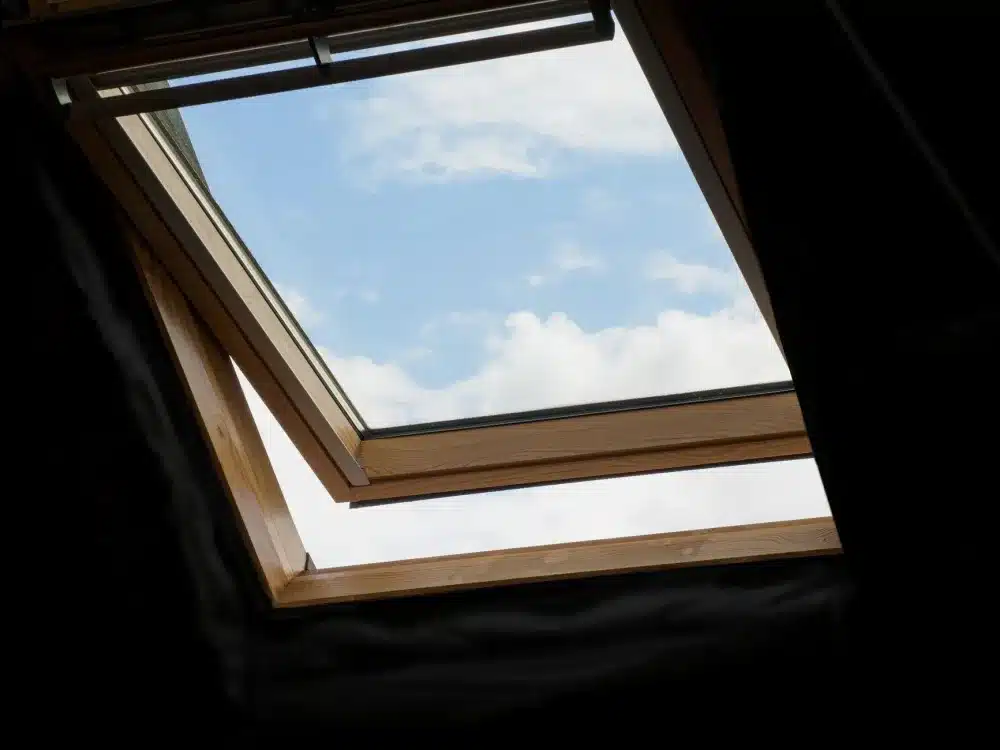
An awning window is hinged at the top of the frame and swings outward from the bottom, so rain runs off the glass rather than into the room. This single feature makes it one of the most practical window styles for the Australian climate, where an afternoon shower can arrive without warning even in the middle of a warm Macarthur spring.
The sash is typically operated by a winder mechanism or a friction stay, meaning you can lock it open at any angle from a crack to fully open. When the window is shut, the entire perimeter of the sash compresses against a rubber gasket, giving a much tighter weather seal than a sliding window can achieve. That tight seal also helps with acoustic performance, which is worth noting if your home sits along a busier stretch of Queen Street in Campbelltown or near a school.
For bathrooms, laundries, and bedrooms where privacy and weather resistance matter most, awning windows are a consistently popular choice across the Campbelltown and Leumeah homes we work on. You can explore the full range and specifications on the High Performance Awning/Casement Windows page, and see the locally made options on the Aluminium Awning Windows Smeaton Grange page.
What Is a Sliding Window?
A sliding window moves horizontally along a track, so one or more sashes glide past each other rather than opening outward. The biggest practical advantage is that the window takes up no external space at all when open, making it ideal anywhere something is close to the exterior wall: a driveway, a fence, a covered pergola, or a narrow side passage.
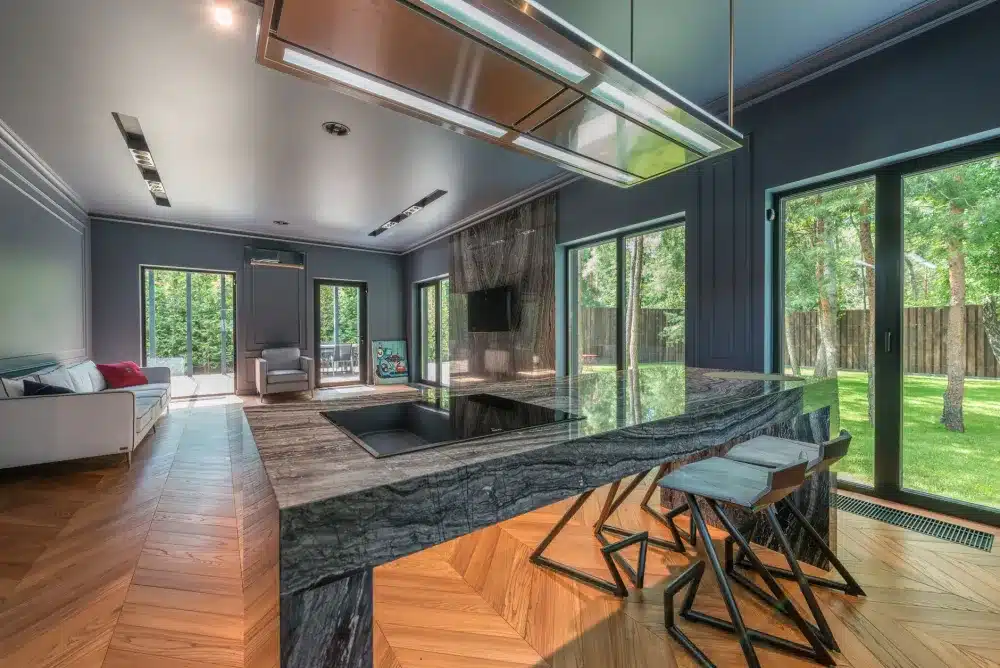
Sliding windows also tend to allow a wider glass panel in the same rough opening size, which means more natural light and a less obstructed view. For a living room that faces the backyard, or a kitchen overlooking a garden, the wider glass-to-frame ratio is a real visual benefit.
The trade-off is the weather seal. Because the sashes slide rather than compress, there is always a small gap in the mechanism, and over time the tracks can collect dust, grit, and debris from the Macarthur environment, especially in the drier months. Quality aluminium sliding windows with good seals and a well-designed track system reduce this significantly. The Altitude Sliding Windows range, for instance, uses a multi-chamber frame design to improve both weather performance and thermal efficiency compared with older aluminium systems.
Awning vs Sliding: Side-by-Side Comparison
The table below covers the most common decision points. Use it as a quick reference, then read the sections above for more detail on the factors that matter most to your specific project.
| Feature | Awning Window | Sliding Window |
|---|---|---|
| Opening mechanism | Hinged at top, swings out | Glides horizontally on track |
| External clearance needed | Yes, sash swings outward | None |
| Weather seal quality | Excellent, perimeter compression | Good, but not airtight |
| Usable in light rain | Yes, rain runs off sash | No, water can enter track |
| Glass area per opening | Moderate, frame takes space | Higher, minimal frame intrusion |
| Ventilation control | Precise, adjustable angle | Good, half the opening area |
| Best use rooms | Bathroom, bedroom, laundry | Living room, kitchen, facade |
| Double glazing available | Yes | Yes |
| Security | Strong, winder limits access | Good with key locks fitted |
| Flyscreen compatibility | Internal flyscreen | External flyscreen on fixed panel |
Which Glass Type Should You Choose?
The glass inside the frame matters as much as the frame style itself. According to the Your Home guide published by the Australian Government, glazing selection has a significant influence on a home’s thermal comfort and energy load, particularly in climates that experience both hot summers and cool winters, like the Macarthur region.
Here are the main options available for both awning and sliding aluminium windows:
- Single glazing: one pane of glass, the standard entry option. Adequate for many applications but transfers heat and noise more readily than double glazing.
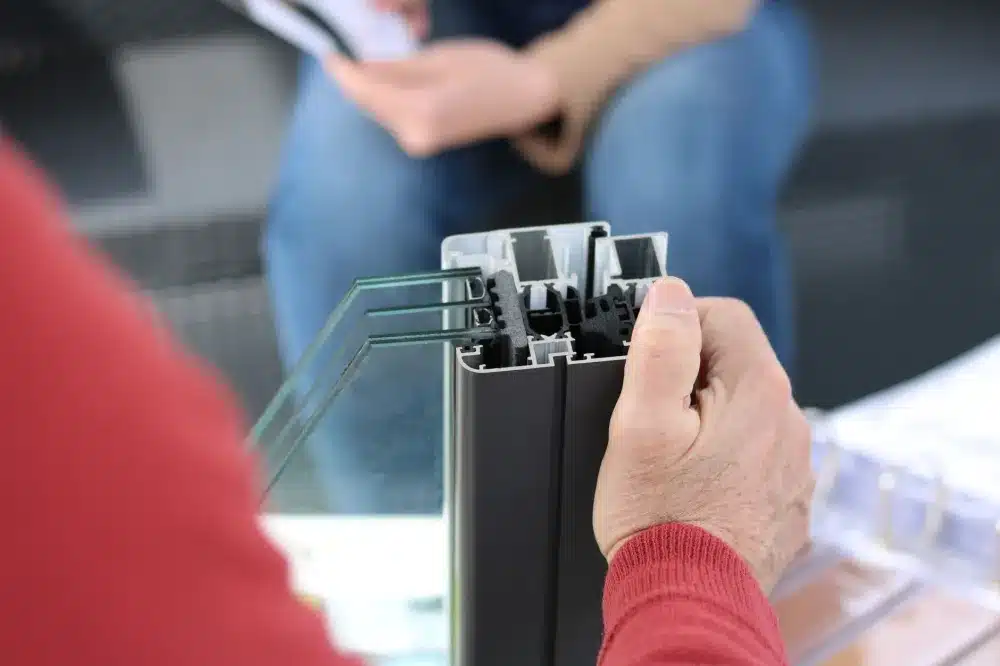
- Double glazing: two panes of glass separated by a sealed air gap, which significantly slows heat transfer in both directions and reduces noise. Available through Newage as a double glazed window upgrade for most styles. Worth considering for bedrooms and west-facing walls in particular.
- Low-E glass: a microscopically thin metallic coating that reflects radiant heat. Often combined with double glazing for improved thermal performance under NSW BASIX or NatHERS requirements. The NatHERS website has useful background on how glazing ratings are assessed.
- Toughened safety glass: heat-treated to be several times stronger than standard glass and to break into small blunt fragments rather than sharp shards. Required by the National Construction Code in certain locations such as beside doors, near floors, and in bathrooms. See the Toughened vs Laminated Glass comparison for more detail.
- Laminated glass: two layers bonded with an interlayer that holds the glass together if it breaks. Common where acoustic performance or security is the priority.
- Tinted or obscure glass: tinted glass reduces glare and solar heat gain; obscure glass provides privacy without blocking light, useful in bathrooms and street-facing rooms.
What Does a Window Replacement Cost?
The price of aluminium windows in NSW varies with size, glass type, number of sashes, and whether they are single or double glazed. Frame colour, flyscreen inclusion, and installation complexity all factor in as well. Giving a reliable figure without measuring and quoting a specific job is genuinely impossible, and any supplier who quotes a precise per-window price without seeing your home is guessing.
What you can expect in general terms: awning and sliding windows in the same size range typically sit in a similar price bracket, with double glazing adding a meaningful but worthwhile premium over single glazing. Larger openings, heritage-style grilles, or specialist glass types like laminated or acoustic glass push costs higher. The most useful thing you can do is get a free measure and quote from a local manufacturer who makes the windows themselves, so there is no distributor margin in between.
For a broader look at the residential window range available, including awning, sliding, double hung, and louvre styles, the services page gives a useful overview of what Newage Glass and Aluminium fabricates in house.
DIY Installation or Professional?
Replacing a like-for-like window in an existing opening looks straightforward at first glance. In practice, though, there are several reasons why professional installation is the more sensible choice for almost every homeowner.
Here is what professional installation actually covers, beyond just lifting the window into the hole:
The short version: buying a window online and fitting it yourself might save money upfront. But for anything beyond a straightforward like-for-like swap in a non-regulated location, the risk is not worth it. A fully licensed and insured team who designs, makes, and installs the windows themselves, like the crew at Newage Glass and Aluminium, gives you accountability from measure to install with no handoffs between a manufacturer, a distributor, and a separate installer.
Common Mistakes When Choosing Between Awning and Sliding Windows
Even well-researched homeowners trip over a few of the same decisions. These are worth knowing before you commit.
- Choosing style over function: awning windows look great in a bathroom mood board, but if the exterior wall has a covered alfresco roof just outside, the sash cannot open properly. Check the clearance first.
- Ignoring the WERS or energy rating: the Window Energy Rating Scheme (WERS), administered by the Australian Window Association, rates windows for heating and cooling load. Matching the right rating to your climate zone and orientation can make a real difference to comfort.
- Specifying the wrong glass for the location: standard float glass is not compliant in all locations. Always confirm the glass specification with your installer before ordering.
- Focusing only on purchase price: a cheaper window with a poor weather seal or thin powder coat finish will cost more over its lifetime in maintenance and energy than a quality aluminium frame with Low-E double glazing.
- Not asking about lead times: custom aluminium windows commonly take a few weeks from measure to install depending on the job. If you have a builder or tiler waiting, confirm the schedule early.
Questions to Ask Any Window Supplier Before You Sign
A quality supplier will answer all of these without hesitation. If the answers are vague, that tells you something useful.
- Do you design, manufacture, and install yourselves, or do you outsource fabrication or installation to a third party?
- Are your windows made to measure for my exact opening sizes, or are they stock sizes that get trimmed to fit?
- What glass options are available and which do you recommend for my specific wall orientation and local climate?
- What powder coat colours are offered and is there a standard versus premium colour pricing difference? (The popular powder coat colours guide is a handy reference.)
- Are you fully licensed and insured under NSW Fair Trading requirements?
- What is the current lead time from signed order to installation?
When an Awning Window Is Not the Right Choice
Awning windows are excellent in a wide range of situations, but they are not always the answer. Skip the awning style if the exterior clearance is too tight for the sash to open safely, if you need a very wide opening for a feature wall or alfresco servery (a bifold or sliding option tends to suit better there), or if the opening is above a high-traffic external walkway where an outward-swinging sash creates a hazard.
Similarly, if your priority is maximum unobstructed glass area for a view or a street-facing facade, a wider sliding window often looks cleaner. Both styles work well in double glazed form, and both are available through the Newage Glass and Aluminium range, made to measure at the Smeaton Grange workshop for homes and projects across the Macarthur region.
Newage also supplies and installs across Leumeah, Glen Alpine, Ambarvale, Ingleburn, and Minto, all from the one local workshop in Smeaton Grange. If you’re planning a renovation or new build anywhere in the region, the same local team can handle the measure, fabrication, and installation in one straightforward process.
With more Macarthur homeowners choosing to renovate rather than move, getting the window specification right from the start is more important than ever. If you’re ready to make a confident decision on awning vs sliding windows for your home, the best next step is a free measure and quote from a local team who can assess your exact openings, recommend the right style and glass combination, and give you a real number to work with.