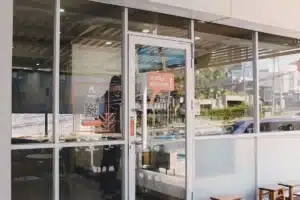
Every winter morning, thousands of Macarthur homeowners wipe down their windows before the rest of the household is even awake. Wet sills, mouldy curtains, fogged glass until mid-morning, it is a problem that hits hard in South West Sydney, and it is completely fixable. Living close to the Hume Highway corridor, where cold air rolls in from the tablelands overnight, makes single-glazed homes especially vulnerable to condensation.
- Why Does Condensation Form on Windows?
- How to Stop Condensation on Windows
- Why Is Double Glazing the Most Effective Long-Term Fix?
- Single Glazing vs Double Glazing: Which Suits Your Home?
- What Glass Options Help Most with Condensation?
- DIY Fixes vs Hiring a Professional
- Questions to Ask Any Window Supplier Before You Commit
- Why Macarthur Homeowners Choose Newage Glass and Aluminium
- FAQ
Why Does Condensation Form on Windows?
Condensation forms when warm, moisture-laden air contacts a surface that is cooler than the air’s dew point. The glass simply acts as a collection point. In Australian homes, the biggest sources of indoor moisture are cooking, showering, breathing, drying laundry indoors, and unflued gas heaters. During winter nights in the Macarthur region, outdoor temperatures around Ingleburn and Campbelltown regularly drop to single digits, and a single-glazed window can reach near outdoor temperature within an hour of sunset.
The result: you wake up to a window that looks like it has been rained on from the inside. Over weeks and months, that repeated wetting damages timber sills, breeds mould on curtains and plaster, and can compromise the thermal performance of your wall cavity. It is not just unsightly. It is a building health issue.
How to Stop Condensation on Windows
Fixing condensation is rarely a single-action job. It usually takes a combination of ventilation improvements, humidity management, and, for persistent cases, an upgrade to the windows themselves. Work through these steps from least to most involved.
Why Is Double Glazing the Most Effective Long-Term Fix?
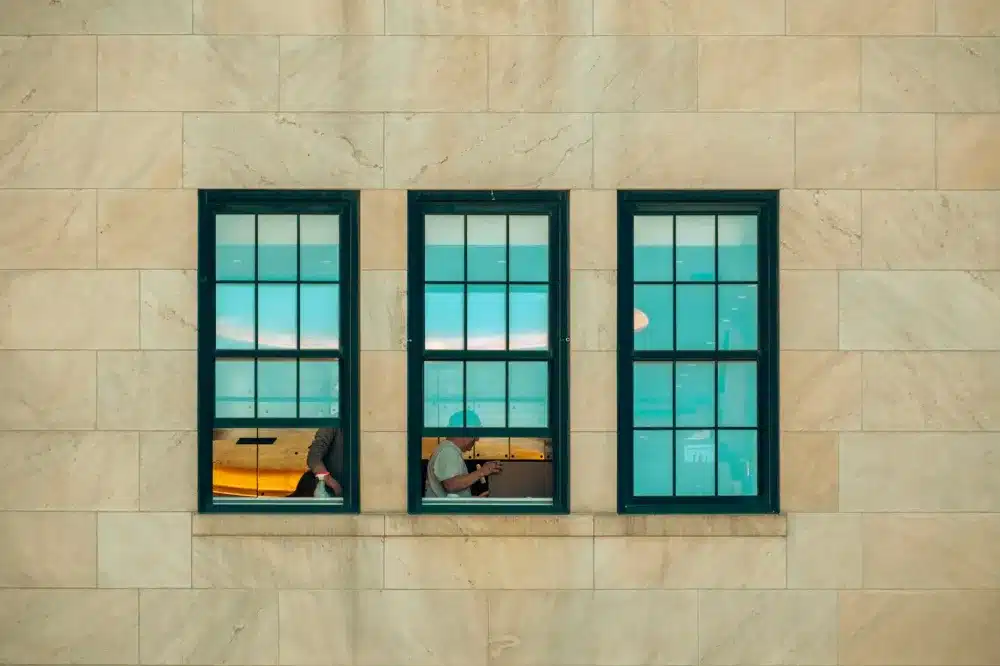
Double glazing is two panes of glass separated by a sealed gap (typically 6 to 12 mm of air or argon gas) that slows the transfer of heat between outside and inside. Because the inner pane stays much closer to room temperature, it rarely falls below the dew point of normal indoor air, so condensation has nowhere to form.
Single-glazed windows have one layer of glass between you and the outdoors. On a 5°C winter night, that pane can be almost as cold as the air outside. The Australian Government’s Your Home guide notes that windows are one of the largest sources of heat loss in a home, and upgrading glazing is one of the most effective ways to improve both thermal comfort and moisture management.
Newage Glass and Aluminium’s double glazed windows for Sydney and NSW homes are custom-made at their Smeaton Grange workshop on Blackmore Road, just off Camden Valley Way and minutes from Narellan Town Centre. The same in-house team that designs and manufactures also installs, so nothing is outsourced. Frames are high-grade powder coated aluminium, available in a full range of colours to suit both new estates like Oran Park and Gregory Hills and established brick homes around Campbelltown and Glenfield.
Single Glazing vs Double Glazing: Which Suits Your Home?
Not every window in every home needs to be replaced immediately. Understanding the trade-offs helps you prioritise where to spend first.
| Feature | Single Glazing | Double Glazing |
|---|---|---|
| Condensation risk | High in winter | Greatly reduced |
| Thermal insulation | Low | Significantly higher |
| Noise reduction | Minimal | Noticeably better |
| BASIX / NatHERS impact | May not meet current targets | Helps meet energy ratings |
| Low-E glass compatible | Yes, limited benefit | Yes, strong combined benefit |
| Typical cost range | Lower upfront | Higher upfront, lower running cost |
The price of aluminium windows in NSW varies with size, glass type, frame profile, and whether they are single or double glazed. A free measure and quote from a local specialist is the only reliable way to get a number that applies to your actual home and window openings.
Worth noting: many Macarthur homeowners are choosing to renovate and upgrade rather than move. Window upgrades are one of the improvements most likely to hold their value at resale, particularly when done with quality aluminium frames and compliant glazing.
What Glass Options Help Most with Condensation?
Not all glass performs the same way, and choosing the right type can make a significant difference to how your windows handle moisture and temperature.
- Low-E glass: a coating that reflects heat back into the room, raising the inner pane temperature and reducing condensation risk further.
- Laminated glass: two layers bonded with an interlayer for safety and some acoustic benefit, though its thermal benefit depends on whether it is used in a double glazed unit.
- Toughened (tempered) safety glass: required by the National Construction Code in certain locations (near doors, in bathrooms, and at low heights). Toughened glass itself does not reduce condensation, but it is often specified alongside a double glazed unit. See our guide on toughened vs laminated glass for a full comparison.
- Tinted or obscure glass: reduces solar gain through north and west-facing windows, which can help manage temperature differentials that contribute to condensation.
BASIX and NatHERS energy compliance requirements in NSW vary by project type and council area. If you are renovating or building new, check with your local council or a licensed certifier about which glazing specifications apply to your job. A professional measure and quote will flag any compliance considerations relevant to your windows.
DIY Fixes vs Hiring a Professional
Some condensation fixes are genuinely DIY-friendly. Replacing draught seals, adding a dehumidifier, improving ventilation habits, or installing an exhaust fan (where there is no electrical work required) are all tasks a capable homeowner can handle on a weekend. These are worth doing regardless of whether you upgrade your windows, because they reduce indoor humidity for the whole house.
Window replacement is a different matter. Aluminium window frames are custom-made to fit specific openings, measured in millimetres. A frame that is even a few millimetres out can be draughty, leak water, and fail to meet the waterproofing requirements under Australian Standards. Getting the frame bedded, sealed, and flashed correctly requires trade experience.
There is also the compliance angle. Window replacements in NSW may require notification or a building permit depending on the scope and your local Development Control Plan. If you are replacing windows as part of a broader renovation, a BASIX certificate may be required. Doing it yourself and getting this wrong can create problems at resale. NSW Fair Trading outlines which building work requires a licensed contractor, and window installation typically falls within that scope.
Questions to Ask Any Window Supplier Before You Commit
If you are getting quotes from window suppliers, the answers to these questions will tell you a lot about whether you are dealing with a serious operator.
- Do you design, manufacture, and install yourselves? Suppliers who outsource fabrication or installation have less control over quality and lead times.
- What aluminium system do you use, and is it thermally broken for double glazing? The frame profile matters as much as the glass.
- What glass types do you offer in the double glazed unit? A good supplier can offer Low-E, laminated, toughened, tinted, and obscure options.
- Are you fully licensed and insured in NSW? Never skip this one.
- What is your typical lead time from measure to install? Custom aluminium windows commonly take a few weeks from measure to install, depending on the job size and current workshop load.
- Do you offer a warranty on both the product and the installation?
Why Macarthur Homeowners Choose Newage Glass and Aluminium
Newage Glass and Aluminium is a family-run business that has been designing, manufacturing, and installing aluminium windows and doors across the Macarthur region since 2009. Everything is made at their own workshop at Unit 2/16 Blackmore Rd in the Smeaton Grange Industrial Estate, just off Camden Valley Way and minutes from Narellan Town Centre, and installed by the same team who built it. There is no subcontracting, no third-party glazier, no gap in accountability.
With more than 2,500 completed projects and a 4.9-star Google rating, the team brings genuine local knowledge to every job. They understand how homes near the Ingleburn town centre and along the Hume Highway perform in Macarthur winters, and they know the difference between what works on a new Gregory Hills knockdown-rebuild versus a 1980s brick veneer in Minto or Glenfield. The full range includes residential windows in every style, from double hung to awning, sliding, and double glazed units, all available in a wide choice of powder coat colours.
Newage also supplies and installs across Minto, Macquarie Fields, Glenfield, Denham Court, and Campbelltown, all from the one Smeaton Grange workshop. Whether you need a single room upgrade or a whole-house window replacement, the process starts with a free measure and quote at no obligation.
If condensation is making your mornings miserable and your sills are showing the damage, the right time to sort it out is now, before another winter sets in. Reach out to the Newage team to book your free measure and quote and find out exactly which double glazed window option suits your home and your budget.