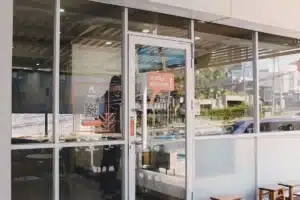
Street noise doesn’t stop when you close the door. If you live near a busy stretch like Macquarie Street in Liverpool, or anywhere the Georges River corridor funnels traffic sound through the suburb, you already know that a standard single-glazed sliding door is barely better than an open window.
The good news is that double glazed sliding doors are a well-proven fix. They do far more than dampen sound. Here’s what Liverpool homeowners need to know.
- What Are Double Glazed Sliding Doors?
- What Do Double Glazed Doors Actually Deliver?
- Single Glazing vs Double Glazing: Is the Upgrade Worth It?
- When Double Glazed Sliding Doors Aren't the Right Fit
- Which Glass Options Work Best for Double Glazed Doors?
- How the Process Works: From First Call to Finished Door
- What Affects the Cost?
- Questions to Ask Any Supplier
- How to Prepare for Your Measure and Quote Visit
- Why Choose a Local Supplier?
- FAQ
What Are Double Glazed Sliding Doors?
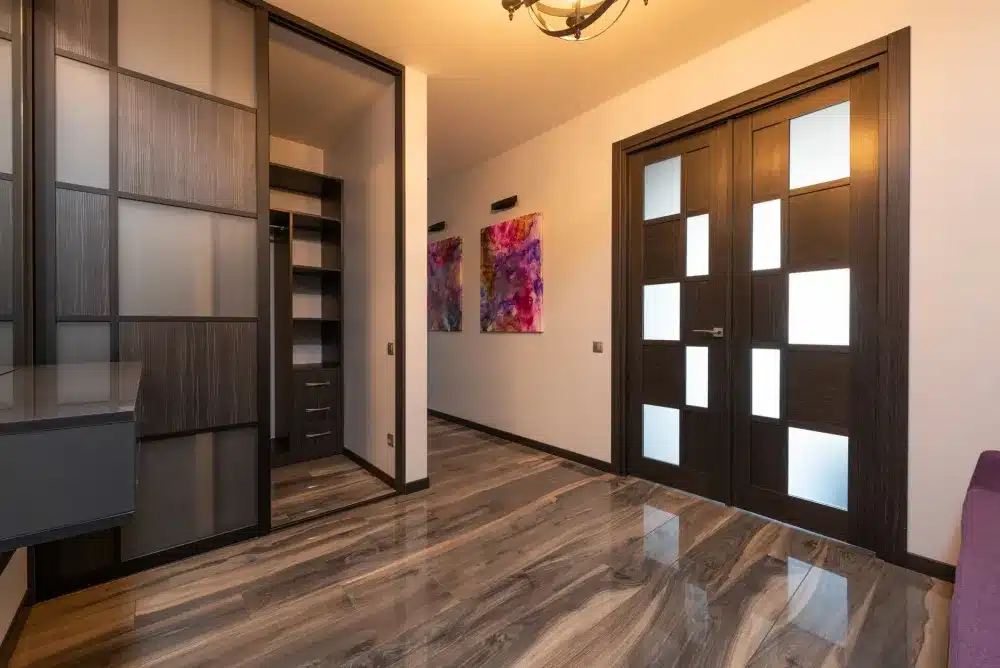
Double glazing is two panes of glass separated by a sealed air gap, typically filled with air or an inert gas. That gap slows the transfer of heat and sound between inside and outside. In a sliding door, the sealed glass unit sits inside a precision-extruded aluminium frame that runs on a low-friction track. The result is a door that opens and closes smoothly, looks clean and contemporary, and performs significantly better than single glazing.
For Liverpool homes, where summer temperatures regularly push into the high thirties and traffic noise from main roads is a daily reality, the combination of acoustic performance and thermal control makes double glazed sliding doors one of the most practical home improvements available. According to the Australian Government’s Your Home guide, glazing upgrades are among the most cost-effective ways to improve a home’s thermal envelope, though results depend on your overall construction and house orientation.
What Do Double Glazed Doors Actually Deliver?
Before you commit to a quote, it helps to be clear on what you are paying for. Here are the core benefits Liverpool homeowners consistently ask about:
- Acoustic performance: the sealed air gap between the two panes interrupts sound waves, reducing external noise reaching your living room or bedroom. This matters most for homes near Macquarie Street, main arterial roads, or flight paths.
- Year-round thermal comfort: double glazing slows heat gain in summer and heat loss in winter, so your air conditioning and heating work less hard. Rooms with north or west-facing single-glazed doors show the most noticeable improvement.
- Reduced condensation: the inner pane stays closer to room temperature, so condensation on the glass surface drops significantly. This protects timber reveals and flooring near the door from moisture damage.
- Low-E glass option: low-emissivity glass has a near-invisible metallic coating that reflects radiant heat while still letting light through. Paired with double glazing, it’s particularly useful for Liverpool’s west or north-facing openings.
- Contemporary look: modern powder-coated aluminium frames come in a wide range of colours, from Monument and Surfmist to custom tones. Your door ties in with new weatherboards, brick, or rendered facades without looking like an afterthought.
Single Glazing vs Double Glazing: Is the Upgrade Worth It?
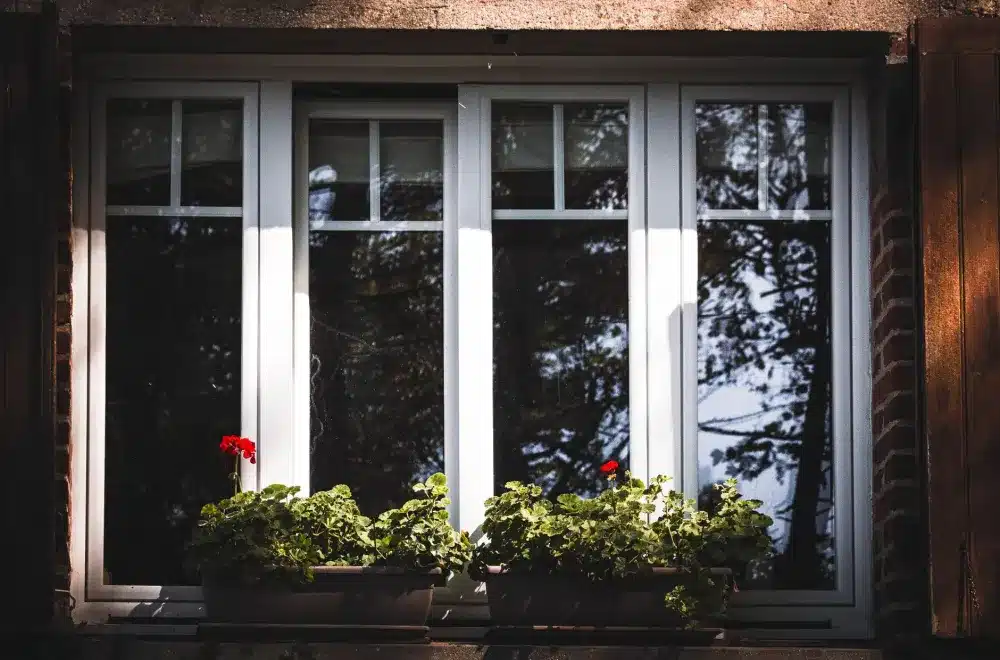
Single glazing is still offered as the cheaper entry point and is common in older Liverpool and South West Sydney homes. The performance gap is significant. Here’s a clear breakdown of the key differences.
| Feature | Single Glazed | Double Glazed |
|---|---|---|
| Glass layers | One pane | Two panes, sealed gap |
| Noise reduction | Low | Significantly higher |
| Thermal insulation | Minimal | Considerably improved |
| Condensation risk | Higher | Lower |
| Low-E glass option | Yes (limited benefit) | Yes (full benefit) |
| Typical upfront cost | Lower | Higher, varies by size |
For homes in established Liverpool suburbs where a renovation is already underway or where noise is a daily frustration, the performance gains from double glazing are hard to argue against. For a small alfresco door on a quiet cul-de-sac, single glazing might still be reasonable. The honest answer is that it depends on your situation. A free measure and quote conversation is the right place to work through it.
If you’re also considering matched glazing across the rest of your home, you can specify double glazed windows to the same glass unit and powder coat as your sliding doors. This gives you a consistent look and performance level throughout.
When Double Glazed Sliding Doors Aren’t the Right Fit
It’s worth being honest here. Double glazed sliding doors aren’t always the best solution for every opening. If your main goal is maximum ventilation in a narrow space, a stacking or bifold configuration might suit you better. A very small opening on a quiet, shaded aspect might not justify the cost uplift over single glazing.
If your home is in a bushfire-prone area, the glass specification needs to match your BAL (Bushfire Attack Level) rating. This may require specific toughened or laminated units regardless of single or double glazing. Check your BAL rating and council requirements before specifying any glass product.
For a straightforward comparison of sliding versus stacking door formats, this guide on sliding vs stacking doors covers the practical trade-offs clearly.
Which Glass Options Work Best for Double Glazed Doors?
The glass inside a double glazed unit isn’t one-size-fits-all. Your choice affects acoustic performance, thermal performance, safety compliance, and cost. Here are the main options for Liverpool homeowners:
- Toughened safety glass: heat-treated to be significantly stronger than standard glass and breaks into small, blunt fragments if it does fail. Required in most door locations under Australian Standards. For a deeper look, this guide on toughened vs laminated glass explains the trade-offs well.
- Laminated glass: two layers of glass bonded with a plastic interlayer that holds the pane together if broken. Preferred where security or overhead safety is a priority.
- Low-E glass: a microscopically thin metallic coating on one surface reflects radiant heat while letting light through. Particularly useful for west-facing doors in Liverpool’s hot summers.
- Acoustic glass: a thicker or laminated inner pane designed to reduce sound transmission. Worth discussing if your home is close to main arterial roads or the Westfield Liverpool precinct.
- Tinted glass: reduces glare and solar heat gain without the coating of Low-E. A simpler option where privacy or glare is the main concern.
How the Process Works: From First Call to Finished Door
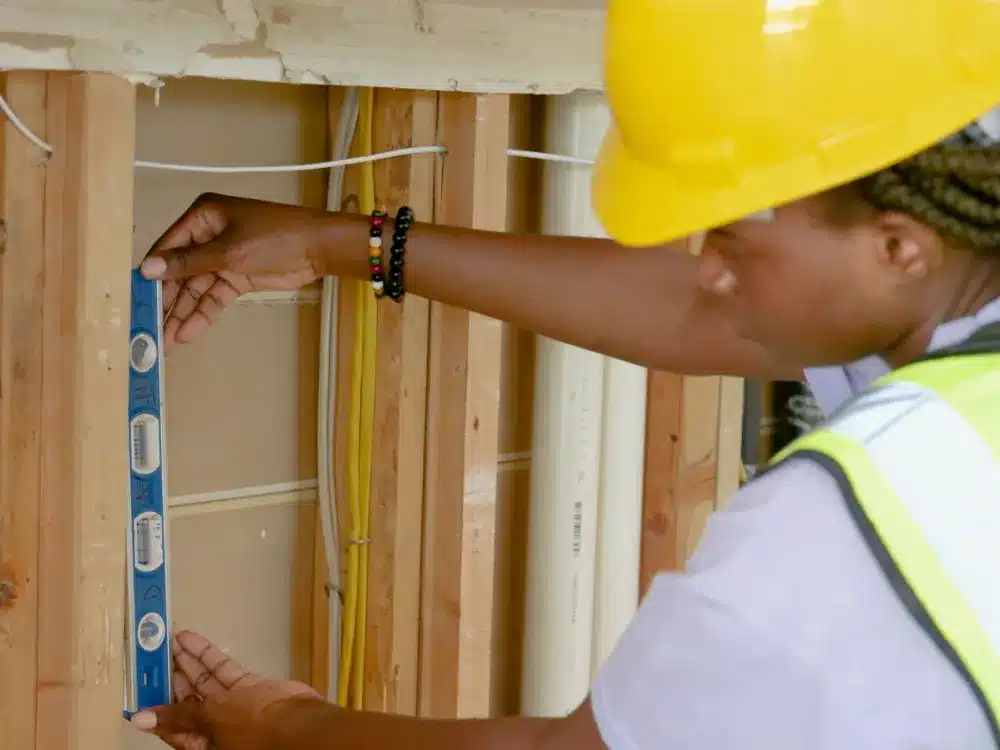
Understanding the steps involved takes the stress out of a door replacement or new installation. Here’s how it typically runs with Newage Glass and Aluminium, a local family-run specialist that’s been making and installing aluminium doors and windows across the Macarthur region and South West Sydney since 2009.
What Affects the Cost?
Cost is usually the first question and the hardest to answer without specifics. Here’s an honest breakdown of the main cost drivers, without invented figures.
- Door size and configuration: a wide, multi-panel stacking system costs more than a standard two-panel slider. The amount of glass and aluminium extrusion is the biggest single driver.
- Glass type: standard toughened double glazing costs less than acoustic laminated units or Low-E double glazed panels. The performance uplift is real, but so is the price difference.
- Frame profile and powder coat: standard profiles in standard colours (white, black, Surfmist, Basalt) are more economical than custom extrusions or bespoke finishes. See the full range of powder coat colours for windows and doors.
- Installation complexity: replacing like-for-like in an existing opening is straightforward. Widening or relocating an opening, or working around heritage elements, adds labour and potentially builder coordination.
- Hardware and accessories: multi-point locking systems, integrated flyscreens, and heavy-duty rollers for larger panels all affect the final price.
A free measure and quote is genuinely the only reliable number. General online price guides are rarely accurate for made-to-measure aluminium work, and they don’t account for your specific opening, frame condition, or site access.
Questions to Ask Any Supplier
Not all suppliers are equal. Before committing, ask these questions of anyone you’re considering:
- Do you fabricate in-house or outsource manufacture? In-house fabrication generally means better quality control and faster resolution if something needs adjusting.
- Are your installers your own employees or subcontractors? Accountability is cleaner when the same team makes and installs the product.
- Can you provide the WERS rating or U-value for the glass unit you’re quoting? A reputable supplier should answer this without hesitation.
- Are you fully licensed and insured in NSW? Check NSW Fair Trading if you want to verify a contractor’s licence independently.
- What does your warranty cover, and for how long? Get the answer in writing.
How to Prepare for Your Measure and Quote Visit
A little preparation makes the appointment faster and the quote more accurate. Clear the area around the existing door so the team can access the frame fully. Have any council approvals, BASIX certificates, or renovation plans on hand. Think about your priorities beforehand: is noise reduction the main goal, or is thermal performance equally important? Do you want a flyscreen included? Are there young children or pets that affect the door configuration? The more context you provide, the more useful the quote conversation will be.
It also helps to know roughly which direction the door faces and whether there’s any shading from eaves or neighbouring structures. This affects which glass specification is most appropriate for your situation.
Why Choose a Local Supplier?
Liverpool and its surrounding suburbs, including Casula, Prestons, Moorebank, Edmondson Park, and Leppington, have a mix of housing stock ranging from established 1980s and 1990s brick homes through to newer estates with larger glazed openings. A local supplier who regularly works in this area understands typical opening sizes, the council and BASIX context, and the acoustic challenges that come with proximity to arterial roads and the Georges River corridor.
Newage Glass and Aluminium has completed over 2,500 projects across the Macarthur region and South West Sydney since 2009, with a 4.9-star Google rating. The team designs, fabricates, and installs entirely in-house from the Smeaton Grange workshop, which means one point of contact from first call to finished installation. You can reach them Monday to Friday 8am to 5pm and Saturday 8am to 1pm. Phone 0408 585 846.
They supply and install double glazed sliding doors right across the South West Sydney corridor, including Casula, Prestons, Moorebank, Edmondson Park, and Leppington, all from the one workshop. Liverpool is their featured location, but the whole region is well within their regular working area.
If you’re ready to stop hearing every car that passes, or simply want to make your home more comfortable through the seasons, a free measure and quote for double glazed doors is the right first step. Book yours with the Newage Glass and Aluminium team today and get a written quote specific to your home in Liverpool.