If you have ever stood next to a west-facing window on a summer afternoon near Camden Valley Way and felt like you were standing next to a radiator, you already know why your glass choice matters. Most homeowners want “better windows” but get stuck the moment someone mentions low-E glass, double glazing, or both in the same breath.
These terms are related but they are not the same thing. Getting them mixed up can mean spending money on the wrong upgrade, or missing out on the performance you actually need.
- Key Takeaways
- What Is Low-E Glass, Exactly?
- What Is Double Glazing, Exactly?
- Low-E Glass vs Double Glazing: How Do They Compare?
- Is Double Glazing with Low-E Worth It for Australian Homes?
- What About Condensation? Does Glass Type Make a Difference?
- How Much Do Double Glazed Windows with Low-E Glass Cost in NSW?
- Common Mistakes Homeowners Make When Choosing Glass
- Should You DIY or Hire a Professional for Double Glazed Window Installation?
- Questions to Ask Any Window Supplier Before You Commit
- When Double Glazing with Low-E Is NOT the Right Choice
- Ready to Upgrade Your Windows?
- FAQ
Key Takeaways
- Low-E glass uses a metallic coating to reflect radiant heat; it works alone but performs better inside a double glazed unit.
- Double glazing traps air or argon gas between two panes, slowing heat transfer and dampening noise.
- Combined, Low-E glass inside a double glazed unit delivers the strongest thermal and acoustic performance currently available for residential windows.
- Cost in NSW varies with window size, glass specification, frame style, and installation complexity; a free measure and quote is the only reliable way to get a real number.
- Both upgrades can contribute toward BASIX and NatHERS compliance, though your specific obligations depend on your project and council area.
What Is Low-E Glass, Exactly?
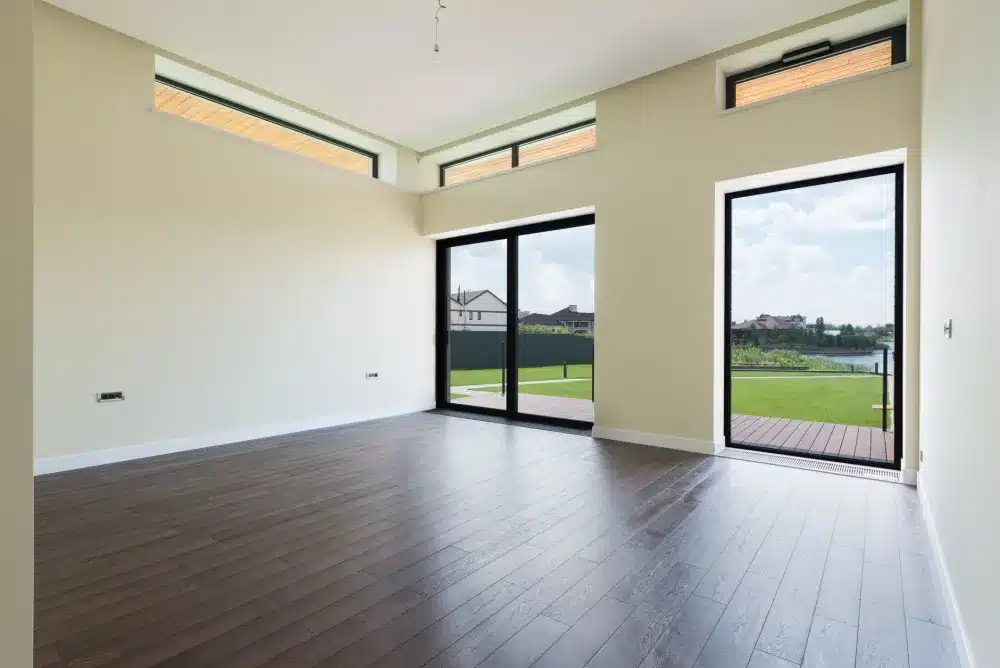
Low-E stands for low-emissivity. It is a single pane of glass coated with an extremely thin, transparent metallic or metallic oxide layer applied during manufacture. That coating reflects long-wave infrared radiation (radiant heat) back toward its source without blocking visible light.
In practical terms: on a hot Macarthur summer day, a Low-E pane bounces the sun’s heat back outside before it can warm your room. In cooler months, the same coating reflects your indoor heating back inside rather than letting it escape through the glass. According to the Your Home Australian Government guide, low-emissivity coatings can meaningfully reduce radiant heat passing through glass in both directions.
Low-E glass can be used as a single pane on its own, fitted into an aluminium frame the same way standard glass is. That alone beats plain clear glass. But it only addresses radiant heat. It does not slow conductive heat transfer (heat moving through solid material or trapped air) and offers little help with noise reduction.
What Is Double Glazing, Exactly?
Double glazing is two panes of glass separated by a sealed gap, typically 6 mm to 16 mm wide, filled with air or an inert gas like argon. The whole assembly is called an insulating glass unit (IGU). That sealed gap is the key: still air and argon conduct heat poorly, so the unit slows heat moving between outside and inside far better than a single pane can.
The Australian Window Association notes that double glazing reduces heat transfer through the glass by creating an insulating barrier. The result is a window that stays closer to room temperature on its inner surface, which also cuts condensation forming on the glass in cooler months.
Double glazing also helps with noise. Sound waves lose energy crossing two panes and an air gap. For homes near busy roads like Camden Valley Way, or under flight paths, that acoustic benefit can be just as important as the thermal gain. You can read more about acoustic performance in our guide on acoustics compliant windows.
Double glazing does not specify what type of glass fills it. It could be two panes of standard clear glass, two panes of toughened glass, or one or both panes made from Low-E glass. Your combination choice determines the final performance level.
Low-E Glass vs Double Glazing: How Do They Compare?
The simplest way to think about it: Low-E glass targets radiant heat, while double glazing targets conductive heat and noise. They are not competing options. They are complementary layers of performance that often work together in one unit.
| Feature | Single Pane Clear | Single Pane Low-E | Double Glazing (clear) | Double Glazing + Low-E |
|---|---|---|---|---|
| Radiant heat rejection | Low | Good | Moderate | Excellent |
| Conductive heat loss | High | High | Low | Very low |
| Noise reduction | Minimal | Minimal | Good | Good to excellent |
| Condensation control | Poor | Moderate | Good | Excellent |
| Relative cost (glass only) | Lowest | Low to moderate | Moderate | Higher |
| BASIX/NatHERS contribution | Minimal | Some | Useful | Strongest |
If your budget is tight and you can only do one upgrade, a single Low-E pane beats plain clear glass, especially on north and west-facing windows that cop direct afternoon sun. But if you are already replacing your windows, it makes sense to look seriously at double glazing with Low-E included. The labour cost of installation is the same either way.
Is Double Glazing with Low-E Worth It for Australian Homes?
For most homes in the Macarthur region and South West Sydney, the answer is yes. Factor in the full picture, not just the upfront glass cost.
Western Sydney summers are genuinely hot. The Macarthur region regularly records days above 35 degrees Celsius, and single-pane windows do almost nothing to slow that heat radiating into your living rooms. Add cooler nights in winter, and you have a climate where both the summer heat rejection and winter heat retention benefits of double glazing with Low-E are genuinely felt day to day.
There are also compliance considerations. New residential construction and significant renovations in NSW commonly require a BASIX certificate, and your window thermal performance feeds directly into that assessment. The NatHERS scheme uses a WERS (Window Energy Rating Scheme) to score windows for energy compliance. Double glazing with Low-E glass typically achieves a significantly better WERS rating than single glazing. Your specific BASIX obligations depend on your project type, council area, and home design, so always check with your certifier or local council rather than relying on general guidance.
What About Condensation? Does Glass Type Make a Difference?
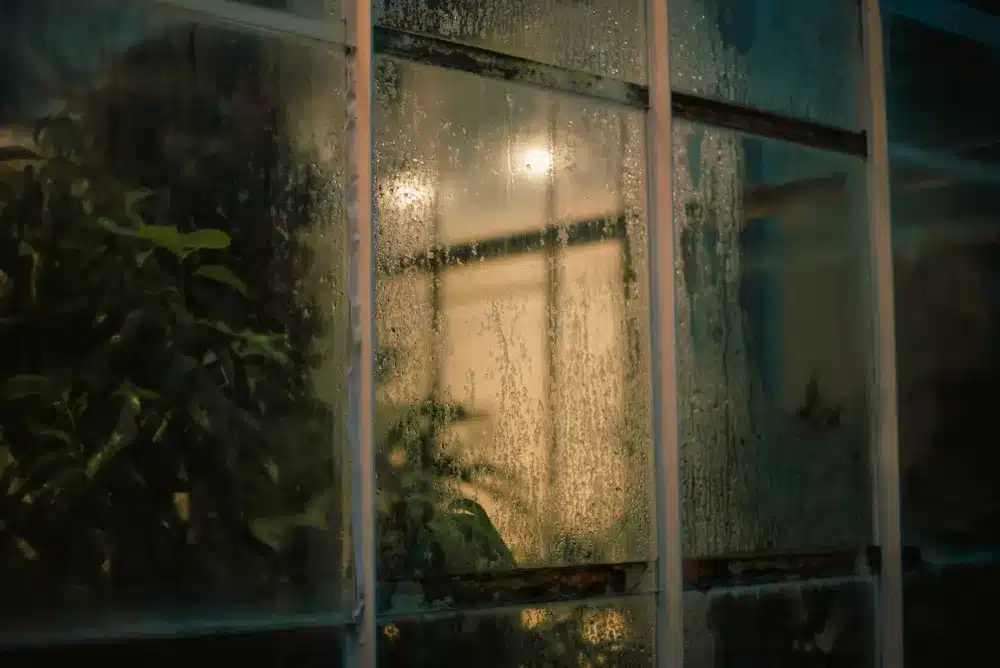
Condensation forms when warm, moist indoor air touches a cold surface. With single-pane glass, the inner face of your window can drop close to outside temperature on a cool night, and that is when you see water beading on the glass and pooling on timber sills.
Double glazing keeps the inner pane much closer to room temperature because the sealed gap insulates it from the cold outside pane. You get noticeably less condensation in most homes. Add Low-E glass and the benefit grows stronger because the coating reduces radiant heat escaping through the glass, keeping the inner surface warmer.
If condensation is a current problem, our article on how to stop condensation on your windows explains the full range of causes and solutions worth understanding before you commit to a particular glass upgrade.
How Much Do Double Glazed Windows with Low-E Glass Cost in NSW?
Price for double glazed aluminium windows in NSW varies considerably. Window size, frame style, glass specification (including gap width and argon gas fill), the number of windows, and installation complexity all play a role. There is no single honest figure we can give you here, and any supplier quoting a flat rate without visiting your home is guessing.
What we can say: double glazed windows with Low-E glass cost more upfront than single-glazed equivalents, given the additional materials and manufacturing involved. The gap in cost narrows when you factor in the labour is essentially the same, and these windows are a once or twice-in-a-lifetime replacement. For many Macarthur homeowners replacing 1990s or early 2000s aluminium windows, the jump from single to double glazing with Low-E is a decision they wish they had made sooner.
A free measure and quote from our team at our Smeaton Grange workshop is the only reliable way to get a real number for your home and window configuration.
Common Mistakes Homeowners Make When Choosing Glass
After working on over 2,500 projects across the Macarthur region, a few patterns come up repeatedly. Knowing these saves time, money, and regret.
- Choosing single Low-E to save money upfront: when you are already paying for installation, the additional cost of a double glazed unit is often smaller than expected. Doing it twice costs far more than doing it right once.
- Ignoring frame performance: glass only performs as well as the frame allows. Thermally broken aluminium frames prevent heat conducting straight through the frame, working alongside the glass rather than undermining it.
- Not checking glass orientation: Low-E glass has an inside face and an outside face. Fitted the wrong way around, the coating works against you. This is why professional installation matters.
- Overlooking gap width: a 6 mm air gap performs differently to a 12 mm or 16 mm gap. Wider gaps (to a point) generally perform better, but your frame system must accommodate the unit thickness.
- Assuming one glass suits all windows: a bedroom window facing a noisy road may need different glass than a north-facing living room window. A good supplier asks about each window’s orientation and purpose.
Should You DIY or Hire a Professional for Double Glazed Window Installation?
Window and door installation sits firmly in the “hire a professional” category for most homeowners. Here is the honest reason why.
Replacing windows means working with structural openings, weatherproofing that must last decades, glass handling that requires appropriate equipment and training, and in NSW, compliance with Australian Standard AS2047 for window performance. Our windows are AS2047 compliant, which matters for insurance, resale, and building certification. A double glazed unit also weighs significantly more than a single pane, especially in larger frame sizes.
Then there is the seal. The sealed gas gap in a double glazed unit is manufactured under controlled conditions. Once on site, any damage to that seal during installation ruins the insulating performance. Professional glaziers handle these units daily and know how to protect the seal through the entire process.
If your windows touch structural elements, require a BASIX certificate, or form part of a new build or renovation requiring council approval, professional installation is not optional. It is a requirement. For resale, work by unlicensed trades can complicate your vendor disclosure and potentially affect your sale price.
Here is how our team moves from inquiry through to installed windows:
Questions to Ask Any Window Supplier Before You Commit
Not every supplier offering double glazed windows is offering the same product or service. These questions help you compare accurately.
- Can you provide the WERS rating for the exact unit you are quoting?
- Is the Low-E coating a hard coat or soft coat, and how is it protected within the unit?
- What is the gap width in the insulating glass unit, and is it air or argon filled?
- Do you manufacture the frames yourself, or are they sourced and assembled elsewhere?
- Are your installation team your own employees, or do you subcontract?
- Are you fully licensed and insured for window installation in NSW?
At Newage Glass and Aluminium, we have answered these questions for Macarthur homeowners and builders since 2009. We design, manufacture, and install in house with our own team, which means one point of contact and accountability at every stage.
When Double Glazing with Low-E Is NOT the Right Choice
Honest advice means saying when an upgrade may not be the best fit.
If you are renting out a short-term investment property and the windows are structurally sound and compliant, single Low-E glass may be a more practical interim upgrade than a full double glazing replacement. Similarly, if a window is very small (a bathroom highlight window, for example), the thermal contribution of upgrading from single to double glazing in that opening is negligible compared to the cost.
Heritage-listed properties in Camden and Campbelltown may have restrictions on visible changes to window profiles. Thicker double glazed units require a slightly deeper frame rebate, and some heritage facades have specific requirements. Always check with your local council or heritage advisor before specifying glass for a heritage-listed home.
Ready to Upgrade Your Windows?
Whether you are building a new home near Mount Annan Botanic Garden, renovating an established home in Narellan, or replacing tired aluminium windows in Harrington Park or Currans Hill, getting the glass specification right from the start saves frustration for years to come. Our team at Newage Glass and Aluminium works across Smeaton Grange, Narellan, Camden, Harrington Park, Currans Hill, and the wider Macarthur region, all from our workshop on Blackmore Road in the Smeaton Grange Industrial Estate, a short drive from Narellan Town Centre.
With over 2,500 completed projects, a 4.9-star Google rating, and a fully in-house team that designs, fabricates, and installs, we are well placed to guide you through the low-E glass versus double glazing decision for your specific home, orientation, and budget. We are open Monday to Friday 8am to 5pm and Saturday 8am to 1pm. Book your free measure and quote today and let our team take it from there.